


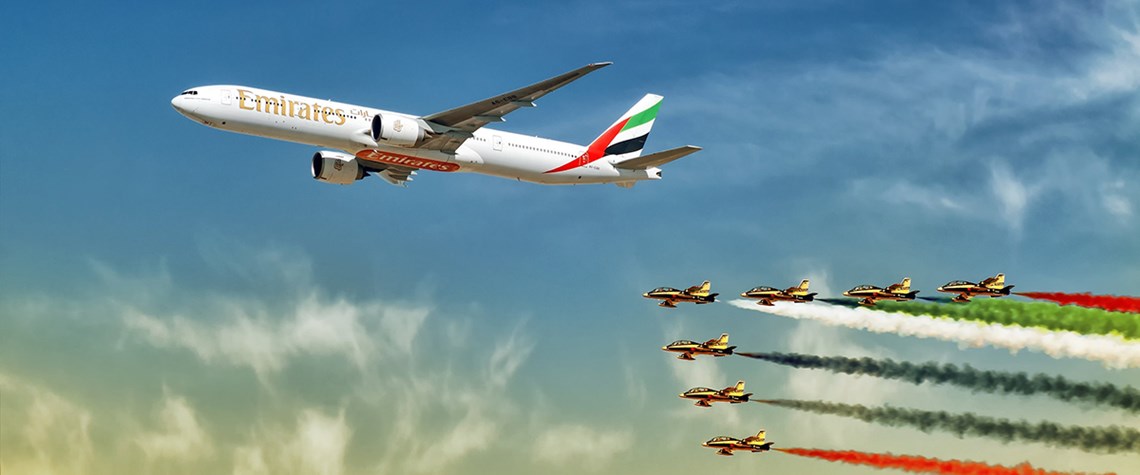
Many wings over the Gulf
The GCC/Qatar crisis is only the latest and most serious case of Gulf oil producers putting sovereignty above regional integration
There was a day when Gulf Air—tayran al-khalij in Arabic, which literally means 'the airline of the Gulf'—was just that. Or nearly. In the final decades of the last century, Gulf Air was a joint venture involving the governments of Bahrain, Abu Dhabi, Oman and Qatar. Not a bad base to build on. The formation of the Gulf Cooperation Council (GCC) in 1980 had led to hopes that the national airlines of Kuwait and Saudi Arabia would come under the Gulf Air umbrella—providing an obvious early success story for the new regional grouping of oil producers. Not only did those two states fail to sign up, but over the space of a few years Qatar, Abu Dhabi and Oman pulled out of the joint venture, leavi

Also in this section
24 March 2026
It is an unusual story of out with the new and in with the old, as America First Refining shows the US going back to trusted energy security developments
23 March 2026
A complex and sometimes contradictory web of factors that include unpredictable oil prices, the globalisation of LNG markets, the expansion of Middle Eastern sovereign capital and the growth of datacentre demand will shape the energy landscape beyond 2026
23 March 2026
The Strait of Hormuz crisis highlights how key waterways can become global chokepoints
20 March 2026
Attacks on key oil and LNG assets across the Gulf mean a prolonged supply disruption, with damage to Qatar’s export capacity undermining confidence in the global gas system


