


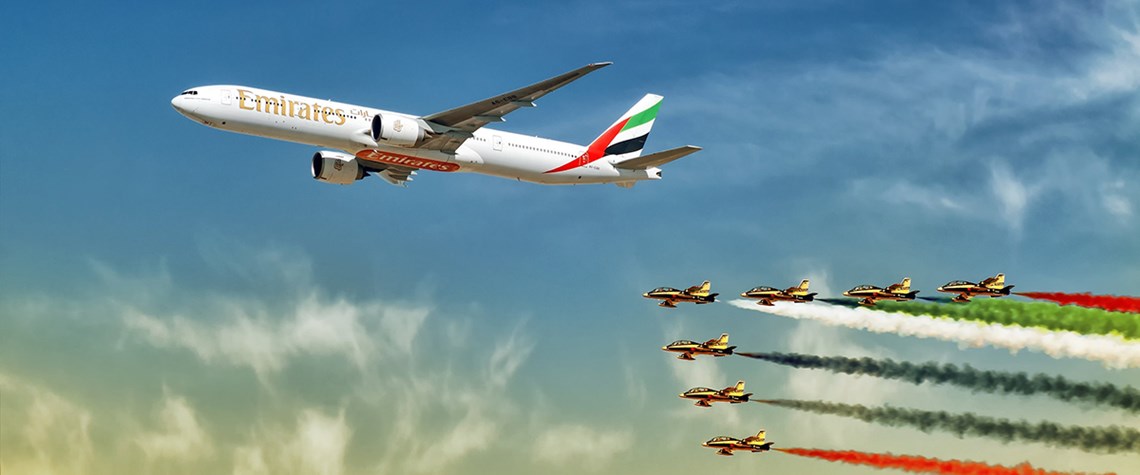
Many wings over the Gulf
The GCC/Qatar crisis is only the latest and most serious case of Gulf oil producers putting sovereignty above regional integration
There was a day when Gulf Air—tayran al-khalij in Arabic, which literally means 'the airline of the Gulf'—was just that. Or nearly. In the final decades of the last century, Gulf Air was a joint venture involving the governments of Bahrain, Abu Dhabi, Oman and Qatar. Not a bad base to build on. The formation of the Gulf Cooperation Council (GCC) in 1980 had led to hopes that the national airlines of Kuwait and Saudi Arabia would come under the Gulf Air umbrella—providing an obvious early success story for the new regional grouping of oil producers. Not only did those two states fail to sign up, but over the space of a few years Qatar, Abu Dhabi and Oman pulled out of the joint venture, leavi

Also in this section
14 April 2026
The GECF has warned it may revise its projections for demand this year downwards in light of conflict in the Middle East, although it maintains its forecasts for 2027 and onwards
13 April 2026
Petroleum Economist analysis highlights sharp shift from crude oversupply to market deficit, with Iraq and Kuwait badly affected and key producers Saudi Arabia and the UAE also seeing output sharply lower
13 April 2026
Turkmenistan is moving ahead with a modest expansion of the giant Galkynysh field to sustain gas deliveries abroad, but persistent delays to other key pipeline projects and geopolitical risks continue to constrain its export ambitions
13 April 2026
Expensive electricity has forced out swathes of energy-intensive industry and now threatens the country’s ability to attract future investment in datacentres and the digital economy


