


Now for Iran to get busy
Rouhani's victory in the presidential elections was good news for Iran's energy sector, but major oil and gas expansion still faces delays
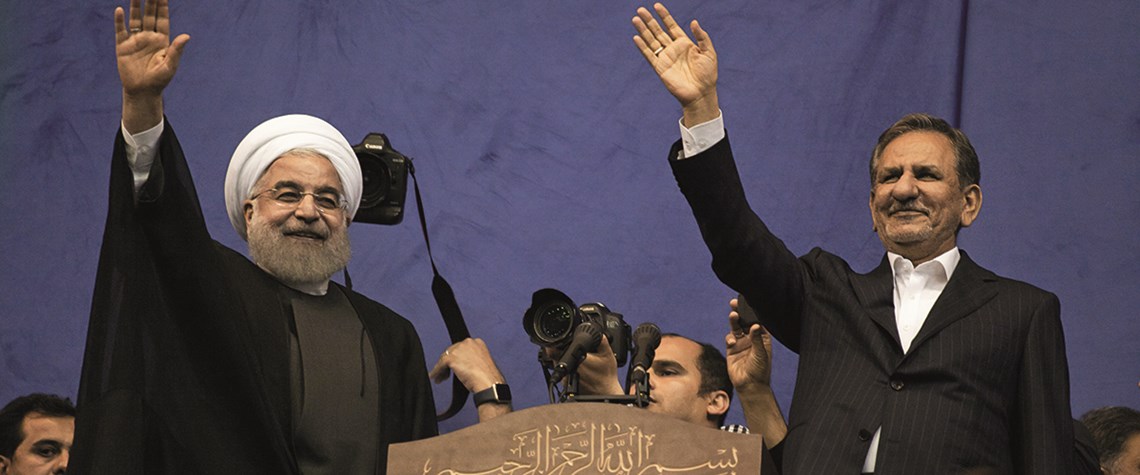
At the end of April, President Hassan Rouhani inaugurated the Persian Gulf Star refinery in the southern port city of Bandar Abbas. Part of his campaign for re-election, the overdue completion of this important facility showed the inescapable link between Iran's oil and prosperity. His convincing electoral win, overcoming a potential Achilles' heel on the economy, keeps the hopes of the oil sector alive. Rouhani, the incumbent, strikingly fought an outsider's campaign, changing tack late on to criticise his main opponent, hardline cleric Ebrahim Raisi. Rouhani won Tehran strongly, along with the ethnic and religious-minority dominated provinces, and secured a solid victory in Khuzestan, the

Also in this section
24 March 2026
It is an unusual story of out with the new and in with the old, as America First Refining shows the US going back to trusted energy security developments
23 March 2026
A complex and sometimes contradictory web of factors that include unpredictable oil prices, the globalisation of LNG markets, the expansion of Middle Eastern sovereign capital and the growth of datacentre demand will shape the energy landscape beyond 2026
23 March 2026
The Strait of Hormuz crisis highlights how key waterways can become global chokepoints
20 March 2026
Attacks on key oil and LNG assets across the Gulf mean a prolonged supply disruption, with damage to Qatar’s export capacity undermining confidence in the global gas system


