


Panama puts itself forward
The Central American nation wants to make the most of its geographical position to supply the rest of the continent with energy
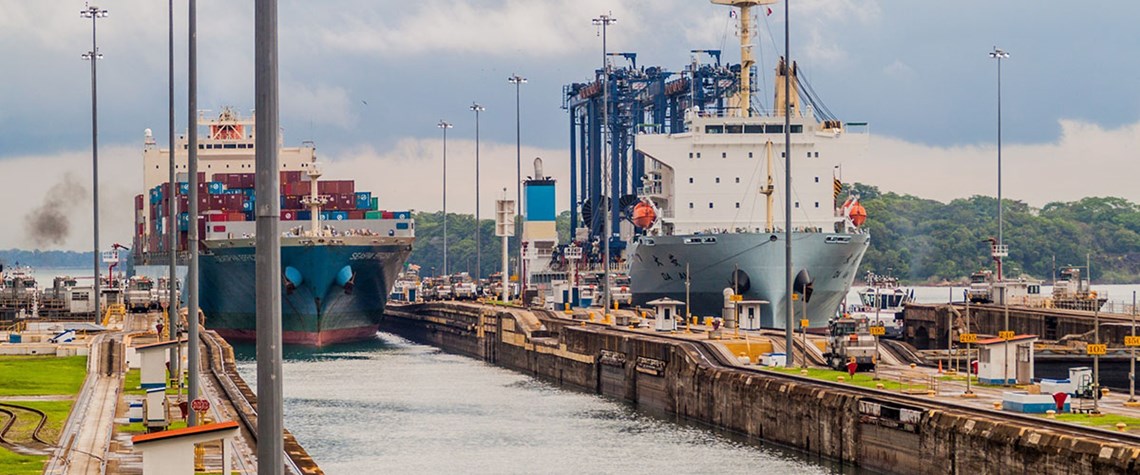
Panama's government wants to use its pivotal location and liberal fiscal policies to transform the country into a regional power and energy hub, putting itself ahead of competitors in the region. Last year's $5.4bn extension of the Panama Canal, which has created the option for ships carrying cargoes of liquefied natural gas to travel between the US and Asia, is a catalyst for the development of a gas hub. The US-based AES Corporation—an electric power distribution company—will open the 1.5m-tonnes-a-year Costa Norte LNG terminal and power project in Colon, at the entrance of the Panama Canal, next year. A gas-fired power plant is expected to come online in the third quarter of 2018, followe

Also in this section
2 April 2026
Alongside a rapid continued build-out of renewables, China’s latest five-year plan stresses the value of domestic hydrocarbon production for energy security and calls for increased Russian gas imports
2 April 2026
The government is taking important steps to revive domestic production, lift investment and benefit from the geopolitical crisis even if more needs to be done in the longer term
1 April 2026
Golden Pass’s startup offers QatarEnergy a timely boost but may also force a difficult choice between honouring disrupted contracts and capitalising on soaring spot LNG prices
1 April 2026
It is not a case of if or when, but the length and magnitude of economic damage from elevated oil prices


