


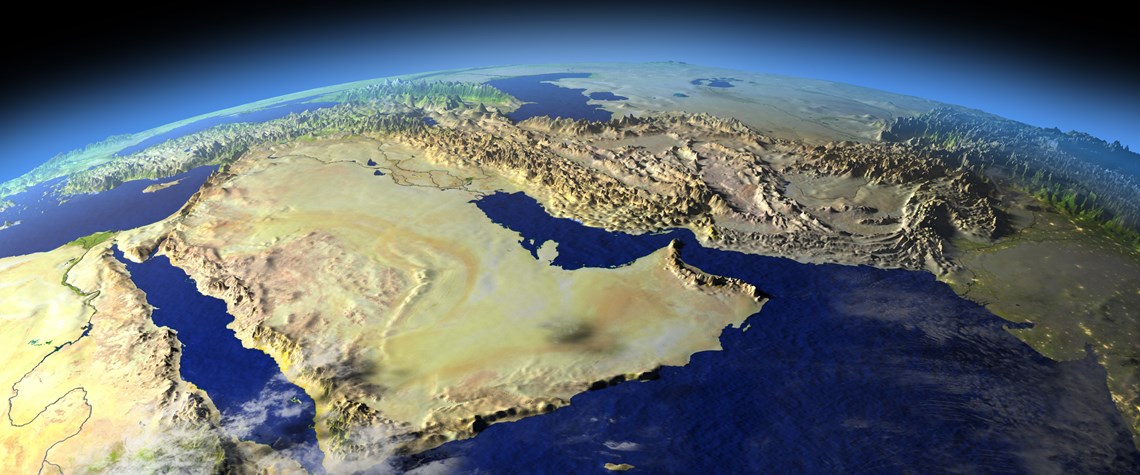
Troubled waters in the Gulf
The Qatar crisis has ensured that the region can no longer boast being an oasis of tranquillity
These are, to put it mildly, unsettling days for the Arab Gulf states. The Qatar crisis demonstrates dramatically what they had perhaps been unwilling to accept before: the comfort blanket of solid and enduring political stability has been removed. After decades of quiet oil-funded prosperity and back-seat regional politics, the six states of the Gulf Cooperation Council (Bahrain, Kuwait, Oman, Qatar, Saudi Arabia and the United Arab Emirates) face a maelstrom of challenges. Even before the Qatar controversy erupted, the population of the Gulf was witnessing a radical change in leadership styles—at least in two of the key GCC states, Saudi Arabia and the UAE. Two charismatic and ambitious le

Also in this section
2 April 2026
Alongside a rapid continued build-out of renewables, China’s latest five-year plan stresses the value of domestic hydrocarbon production for energy security and calls for increased Russian gas imports
2 April 2026
The government is taking important steps to revive domestic production, lift investment and benefit from the geopolitical crisis even if more needs to be done in the longer term
1 April 2026
Golden Pass’s startup offers QatarEnergy a timely boost but may also force a difficult choice between honouring disrupted contracts and capitalising on soaring spot LNG prices
1 April 2026
It is not a case of if or when, but the length and magnitude of economic damage from elevated oil prices


