


Troubled waters in the Gulf
The Qatar crisis has ensured that the region can no longer boast being an oasis of tranquillity
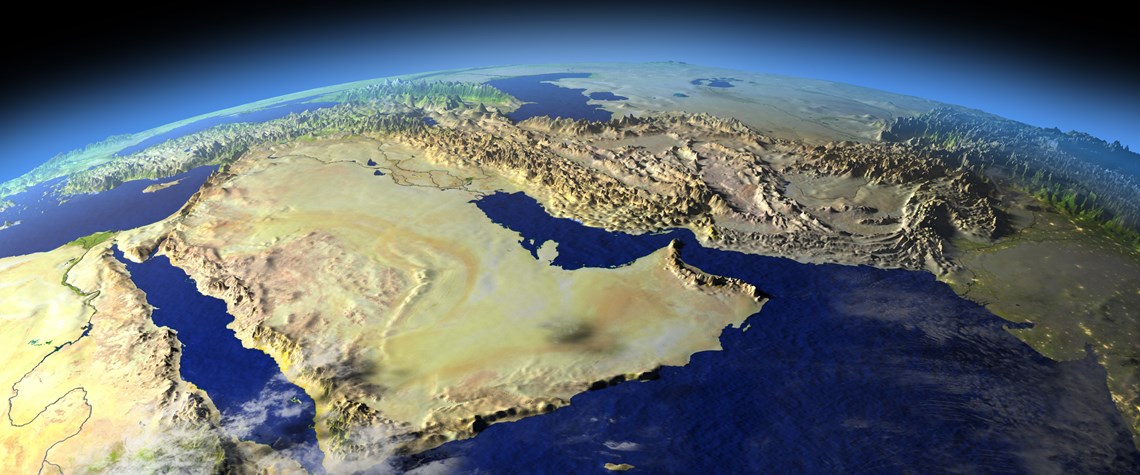
These are, to put it mildly, unsettling days for the Arab Gulf states. The Qatar crisis demonstrates dramatically what they had perhaps been unwilling to accept before: the comfort blanket of solid and enduring political stability has been removed. After decades of quiet oil-funded prosperity and back-seat regional politics, the six states of the Gulf Cooperation Council (Bahrain, Kuwait, Oman, Qatar, Saudi Arabia and the United Arab Emirates) face a maelstrom of challenges. Even before the Qatar controversy erupted, the population of the Gulf was witnessing a radical change in leadership styles—at least in two of the key GCC states, Saudi Arabia and the UAE. Two charismatic and ambitious le

Also in this section
28 April 2026
Oil traders warning of $200/bl oil are wrong, and the market should be wary of proclamations that the impact of the oil shortage has only begun to be felt and a that a ‘harsh adjustment’ is coming—even for industrialised nations
28 April 2026
Restoring supply from Saudi Arabia, the UAE, Kuwait, Qatar, Bahrain and Iraq involves complexities far beyond simply adjusting operational controls
28 April 2026
Datacentres will guzzle power at a ferocious rate, but the impact on wider energy markets will be far more complex than previously thought
28 April 2026
The key energy player faces balancing regional routes, political complexities, and creating a clear strategic vision for energy security


