


Venezuela courting disaster
A Supreme Court ruling has given the president broad authority to strike oil deals. Will there be any takers?
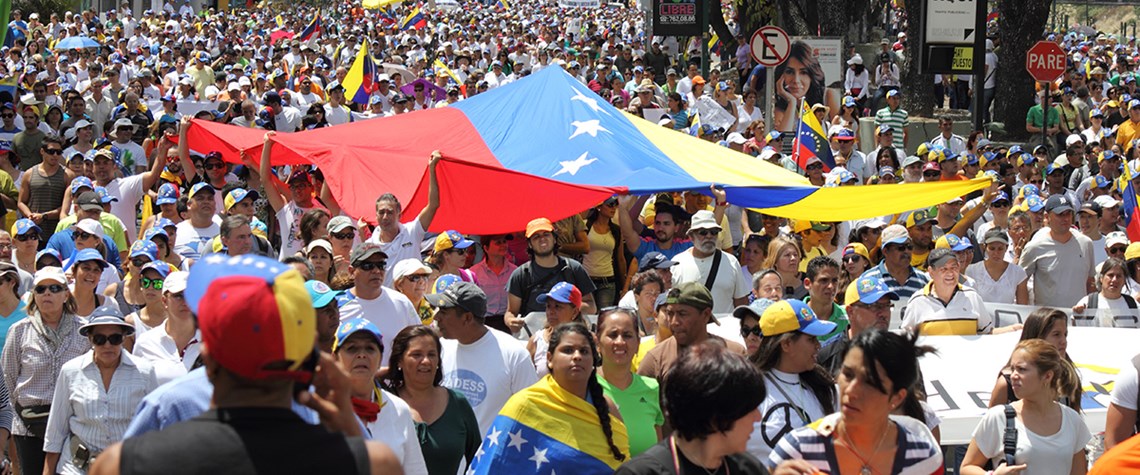
Venezuela's economic and political crisis only seems to know one direction: descent. The latest lurch towards the abyss came after a 30 March decision from the Supreme Court, stacked with loyalists to social president Nicolás Maduro, that effectively dissolved the opposition-led National Assembly and assumed the body's powers for itself. The decision triggered an intense backlash that clearly caught the government off guard. Weeks of protests in the streets of Caracas followed. The head of the Organisation of American States, Luis Almagro, decried the decision as a "self-inflicted coup d'état" and called Maduro's government a "dictatorship". It was even a step too far for at least one person

Also in this section
2 April 2026
Alongside a rapid continued build-out of renewables, China’s latest five-year plan stresses the value of domestic hydrocarbon production for energy security and calls for increased Russian gas imports
2 April 2026
The government is taking important steps to revive domestic production, lift investment and benefit from the geopolitical crisis even if more needs to be done in the longer term
1 April 2026
Golden Pass’s startup offers QatarEnergy a timely boost but may also force a difficult choice between honouring disrupted contracts and capitalising on soaring spot LNG prices
1 April 2026
It is not a case of if or when, but the length and magnitude of economic damage from elevated oil prices


