


Yemen’s body blow
The country’s energy sector faces yet more paralysis as its crisis deepens
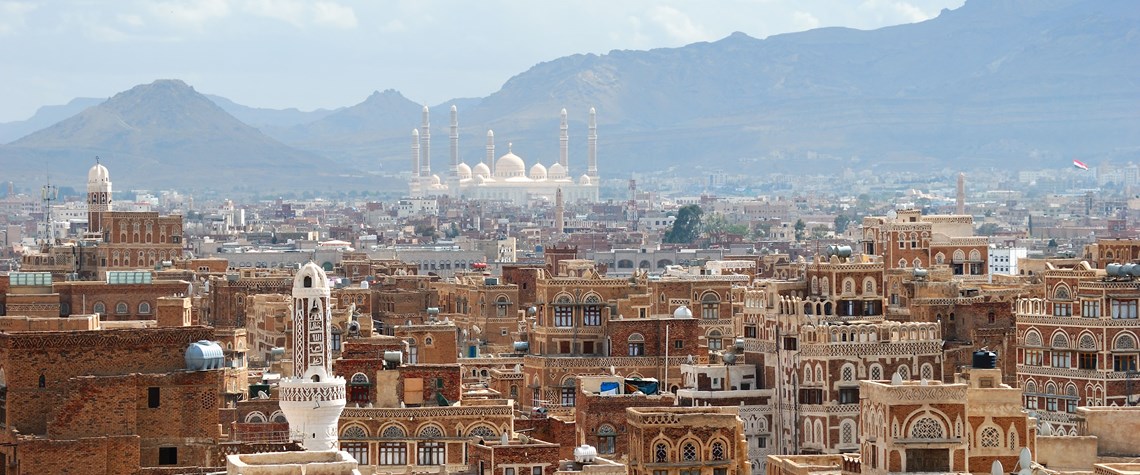
In the aftermath of the Houthis' killing of Ali Abdullah Saleh, Yemen's former president, only one thing seems certain: the chances of an early negotiated end to the conflict have faded still further. A lot happened in a short space of time. Saleh decided a few days ago to exploit recent differences with his former allies, the Iran-backed Houthis, and offer an olive branch to Saudi Arabia. Since 2015, a Saudi-led Arab coalition has conducted a war against both the Houthis and Yemeni army units loyal to Sale. This began when the rebels took over the capital, Sanaa, and forced the internationally recognised president, Abdrabbuh Mansur Hadi, to flee. Saleh's recent appeal for Saudi support agai

Also in this section
23 April 2026
The addition of an oil pipeline to the Power of Siberia 2 gas project could ensure deliveries of Russian oil to China, materially shorten logistics lines between West Siberia and final customers, and—amid disruption in the Strait of Hormuz—offer a land-based export route that reduces exposure to maritime chokepoints
23 April 2026
There is a clear push to bolster exports to Asia amid uncertainty around its North American neighbour, but there are limits to the benefits from the energy crisis
23 April 2026
Shell made the play-opening discovery in Namibia’s Orange basin back in 2022, but its next well could decide whether the project can actually be commercialised
22 April 2026
The failure of OMV Petrom’s keenly watched exploration campaign at Bulgaria’s Han Asparuh block highlights the Black Sea’s uneven track record, despite major successes like Neptun Deep and Sakarya


