


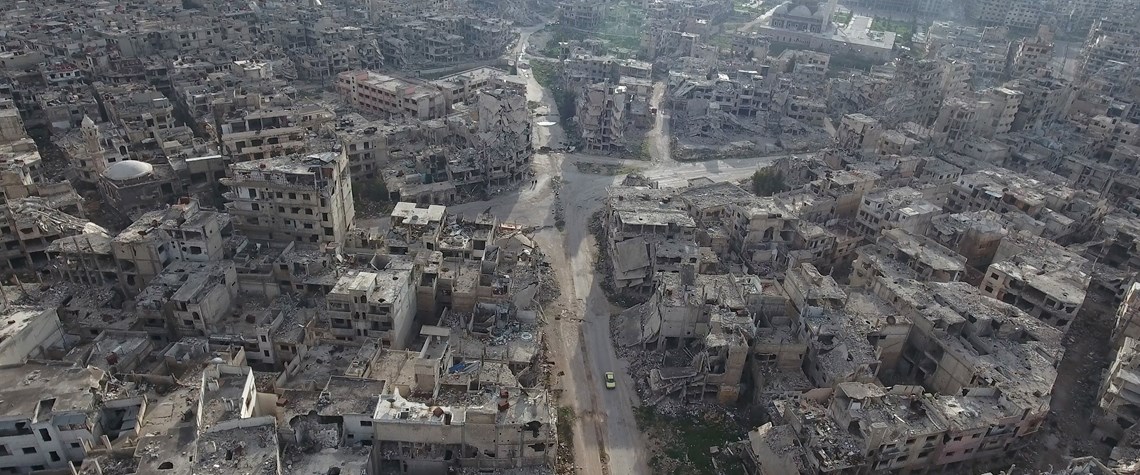
Mass destruction: the Syrian army gradually clawed back key territory from rebels
Middle East tensions rumbled on in 2018
Oil prices recovered, but old conflicts remained unresolved
The fate of Middle East oil producers in 2018—and producers elsewhere in the world—remained largely in the hands of Saudi Arabia and Russia. Despite rumours of differences in strategy and objectives, the two giants—producing around 40pc of global output—stuck to their guns and maintained production cuts agreed the previous year. It became increasingly clear that the muscle to influence oil markets had passed from Opec to the Saudi-Russian partnership. Iran, once a major energy force to match Saudi Arabia, was forced out of the running by US sanctions which, in November, were extended to the energy sector. Fear of global supply shortages resulting from an anticipated dip in Iranian oil export

Also in this section
28 April 2026
Oil traders warning of $200/bl oil are wrong, and the market should be wary of proclamations that the impact of the oil shortage has only begun to be felt and a that a ‘harsh adjustment’ is coming—even for industrialised nations
28 April 2026
Restoring supply from Saudi Arabia, the UAE, Kuwait, Qatar, Bahrain and Iraq involves complexities far beyond simply adjusting operational controls
28 April 2026
Datacentres will guzzle power at a ferocious rate, but the impact on wider energy markets will be far more complex than previously thought
28 April 2026
The key energy player faces balancing regional routes, political complexities, and creating a clear strategic vision for energy security


