


Canada's climate wars
Chris Turner's new book is a thorough account of how Alberta's oil sands became one of the energy world's hottest properties—and its most controversial
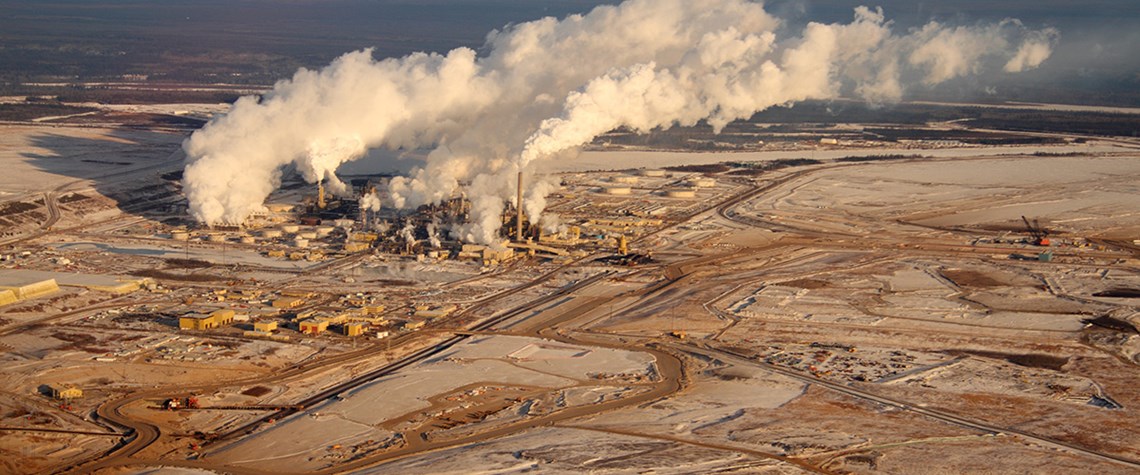
Preston McEachern, a water scientist for Alberta's government, had a startling metaphor. The oil sands had become "the harp seal of the environmental movement", he told me in 2011, at the height of their notoriety—the easiest, softest target to kill. Anyone who's seen them would know why the projects divide opinion. They make for a huge, ugly fume-belching scar on the landscape—a monumental example of humanity's exploitation of the earth's resources. Or, to the petroleum engineer, a true feat of development and progress, drawing the world's economic lifeblood from a remote landscape. Either way, McEarchern was right—they're easy to pick on. You can visit the oil sands: rent a car and drive a

Also in this section
14 April 2026
The GECF has warned it may revise its projections for demand this year downwards in light of conflict in the Middle East, although it maintains its forecasts for 2027 and onwards
13 April 2026
Petroleum Economist analysis highlights sharp shift from crude oversupply to market deficit, with Iraq and Kuwait badly affected and key producers Saudi Arabia and the UAE also seeing output sharply lower
13 April 2026
Turkmenistan is moving ahead with a modest expansion of the giant Galkynysh field to sustain gas deliveries abroad, but persistent delays to other key pipeline projects and geopolitical risks continue to constrain its export ambitions
13 April 2026
Expensive electricity has forced out swathes of energy-intensive industry and now threatens the country’s ability to attract future investment in datacentres and the digital economy


