


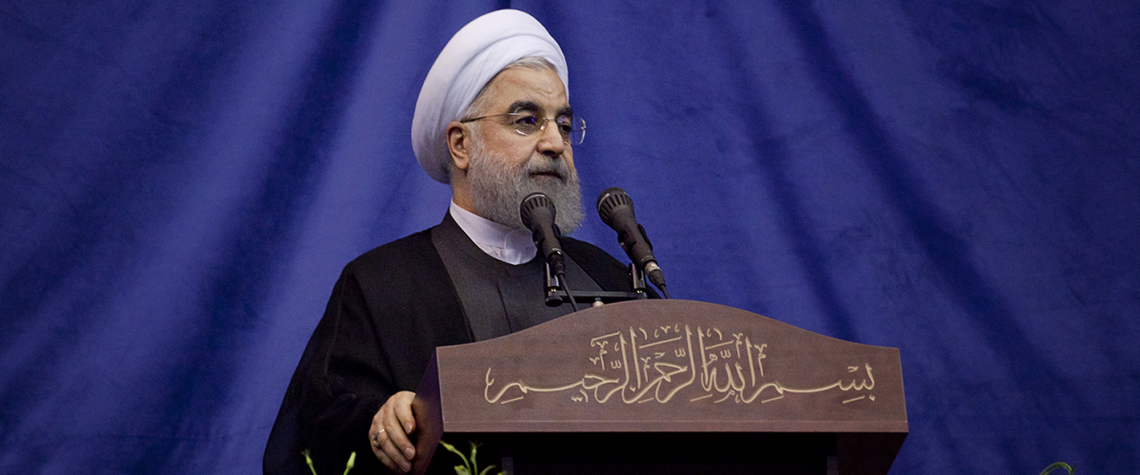
Iran looks to Asia for sanction relief
European firms will be wary of doing business with Iran under US sanctions, but China and India are among states which won’t back off
The unilateral US decision in May to impose stringent new sanctions on Iran and withdraw from the international Joint Comprehensive Plan of Action (JCPOA) has prompted widespread discussion that more than 1m barrels a day of oil output will be lost. But oil industry and shipping officials suggest that the near-term shortfall, if any, may be less than many fear; although the longer-term effects on Iran's oil and gas sector are likely to be very negative. The JCPOA was agreed in 2015, and the following year Iranian oil production reached its highest level since just before the 1979 Iranian Revolution, at 4.6m b/d including condensates and natural gas liquids, according to the BP Statistical Re

Also in this section
16 April 2026
Demand for oil is falling because supply cannot meet it, not because it is no longer required
16 April 2026
The continent has an immediate opportunity to make the most of its energy resources by capturing gas that is currently slipping away
15 April 2026
The continent is seeing political pushback to climate plans, corporate reassessment of transition goals and rising supply risk in a fractured global order
15 April 2026
The Middle East energy crisis may turn out to be pivotal to the industry’s long-term expansion, but significant challenges still stand in its way


