


Mexican play still a guessing game
Mexico’s energy sector and IOCs are waiting to see if the new president follows through with his anti-reform election rhetoric
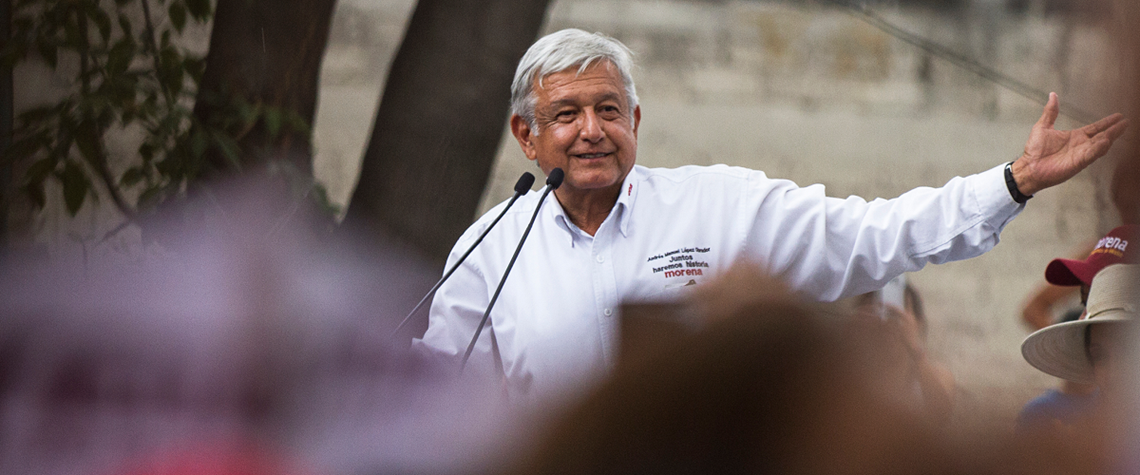
On 1 December, Andrés Manuel López Obrador will take office for a six-year term as president of Mexico. After a protracted but one-sided campaign, he won a decisive victory in the 1 July polls at the head of the Morena party, which he founded, taking 53% of the vote. It's the culmination of a lifetime spent seeking Mexico's most senior office. He previously contested the presidency in 2006 and 2012. López Obrador's credentials are those of a nationalist, leftist outsider. He's also a dogged opponent of the two parties which have ruled since the return to democracy in 2000, the Institutional Revolutionary Party (known by its Spanish acronym of PRI) and the pro-business National Action Party o

Also in this section
15 April 2026
The continent is seeing political pushback to climate plans, corporate reassessment of transition goals and rising supply risk in a fractured global order
15 April 2026
The Middle East energy crisis may turn out to be pivotal to the industry’s long-term expansion, but significant challenges still stand in its way
15 April 2026
The country plays a vital role in connecting Asia to Europe, but the expiration of Russian contracts and the ramifications of the war in Iran are placing it under pressure
14 April 2026
The GECF has warned it may revise its projections for demand this year downwards in light of conflict in the Middle East, although it maintains its forecasts for 2027 and onwards


