


Militant threat looms ahead of Nigerian elections
The risks to the oil sector are far from over
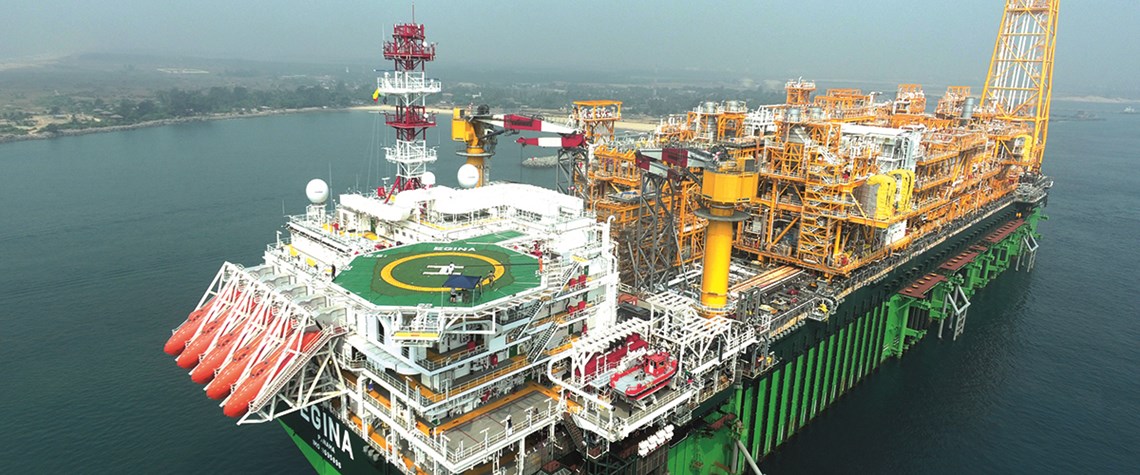
President Muhammadu Buhari faces a difficult year, as he seeks to implement far-reaching reforms to the oil and gas sector against a background of intensifying campaigning ahead of presidential elections. To make matters more complex, militants are threatening another campaign of attacks in the Niger Delta, risking oil production levels that have only recently recovered after the last bout of unrest. Nigerian crude output has been running at just below the 1.8m-barrel-a-day cap it informally agreed with Opec last November, while the country also produces a further 350,000 b/d or so of condensates (which aren't included in Opec quotas). While production is much higher than it was at the heigh

Also in this section
24 March 2026
It is an unusual story of out with the new and in with the old, as America First Refining shows the US going back to trusted energy security developments
23 March 2026
A complex and sometimes contradictory web of factors that include unpredictable oil prices, the globalisation of LNG markets, the expansion of Middle Eastern sovereign capital and the growth of datacentre demand will shape the energy landscape beyond 2026
23 March 2026
The Strait of Hormuz crisis highlights how key waterways can become global chokepoints
20 March 2026
Attacks on key oil and LNG assets across the Gulf mean a prolonged supply disruption, with damage to Qatar’s export capacity undermining confidence in the global gas system


