


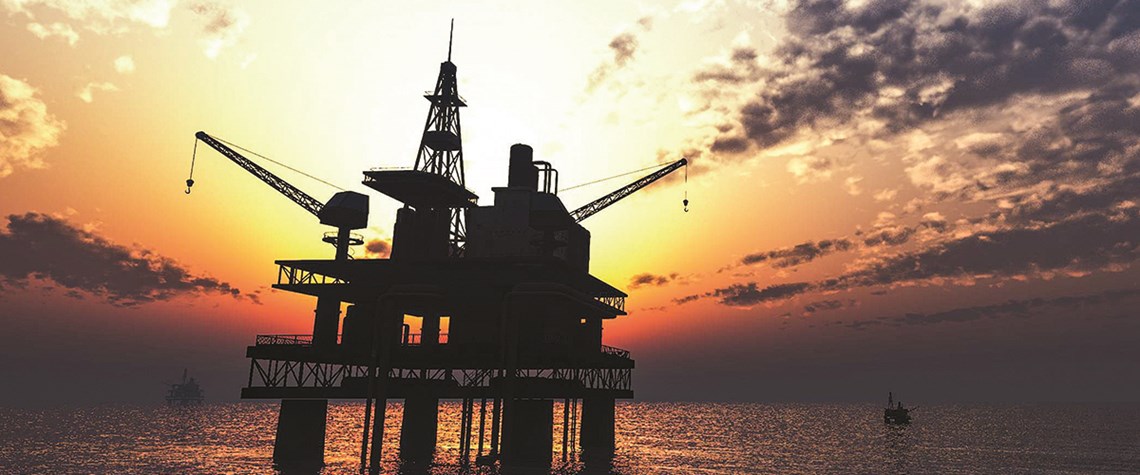
The return of cautious optimism in the North Sea
The UK’s North Sea hub, braced for production declines, has received a boost from new investments and revived interest from the supermajors
There's more optimism around Aberdeen, the main centre for the North Sea oil and gas industry, than there has been for some years. Offshore activity is picking up, albeit from a low base, and the city is slowly filling up again. Oil company executives can't always get rooms in their favourite hotels these days, and taxi drivers—those trusty barometers of economic health—say they're the busiest they've been since the oil-price crash sent industry spending into a nosedive. There's still plenty of vacant work space around, but the signs are positive. Perhaps the clearest evidence of a turnaround in the fortunes of the UK Continental Shelf (UKCS) was the greater-than-expected interest shown in t

Also in this section
24 March 2026
It is an unusual story of out with the new and in with the old, as America First Refining shows the US going back to trusted energy security developments
23 March 2026
A complex and sometimes contradictory web of factors that include unpredictable oil prices, the globalisation of LNG markets, the expansion of Middle Eastern sovereign capital and the growth of datacentre demand will shape the energy landscape beyond 2026
23 March 2026
The Strait of Hormuz crisis highlights how key waterways can become global chokepoints
20 March 2026
Attacks on key oil and LNG assets across the Gulf mean a prolonged supply disruption, with damage to Qatar’s export capacity undermining confidence in the global gas system


