


Venezuela: Opec's heavy lifter
The Latin American producer's sharp fall in output has helped hold the cartel’s deal together
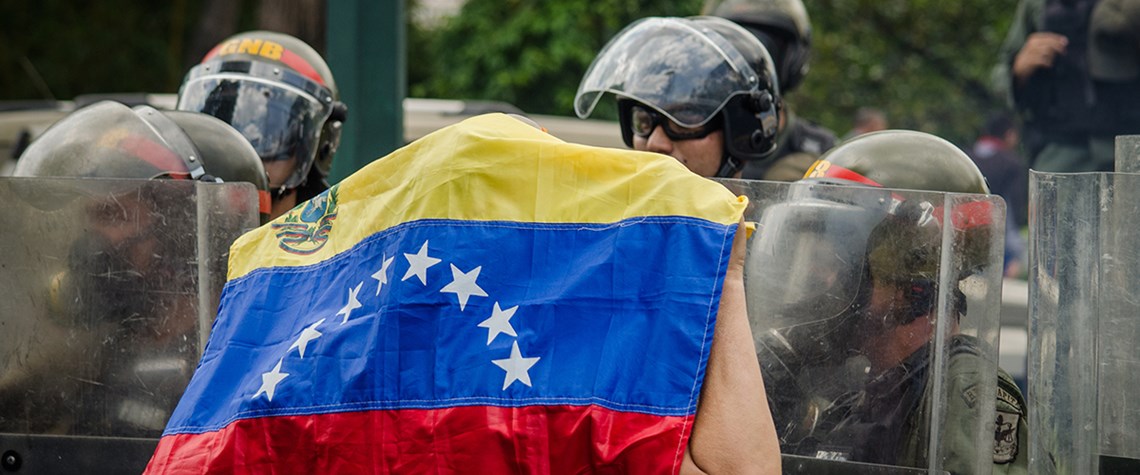
Opec's leaders have spent plenty of time in recent months patting themselves on the back for the group's steadfast commitment to the 2016 supply-cut deal. Overall Opec production has often been even lower than the target output—and for much longer than sceptics expected. Almost never mentioned, at least publically, is why the cuts have been so effective: the collapse in Venezuelan output, which has freed up space for other producers to cheat on their quotas without undermining the deal. It's hard to overstate how important Venezuela's production declines have been to the market and Opec's effort. Since the 2016 deal was reached, the country's supply has fallen from around 2.1m barrels a day

Also in this section
14 April 2026
The GECF has warned it may revise its projections for demand this year downwards in light of conflict in the Middle East, although it maintains its forecasts for 2027 and onwards
13 April 2026
Petroleum Economist analysis highlights sharp shift from crude oversupply to market deficit, with Iraq and Kuwait badly affected and key producers Saudi Arabia and the UAE also seeing output sharply lower
13 April 2026
Turkmenistan is moving ahead with a modest expansion of the giant Galkynysh field to sustain gas deliveries abroad, but persistent delays to other key pipeline projects and geopolitical risks continue to constrain its export ambitions
13 April 2026
Expensive electricity has forced out swathes of energy-intensive industry and now threatens the country’s ability to attract future investment in datacentres and the digital economy


