


When power grows out of the oil barrel
Can the Gulf’s ruling families survive the post-oil era?
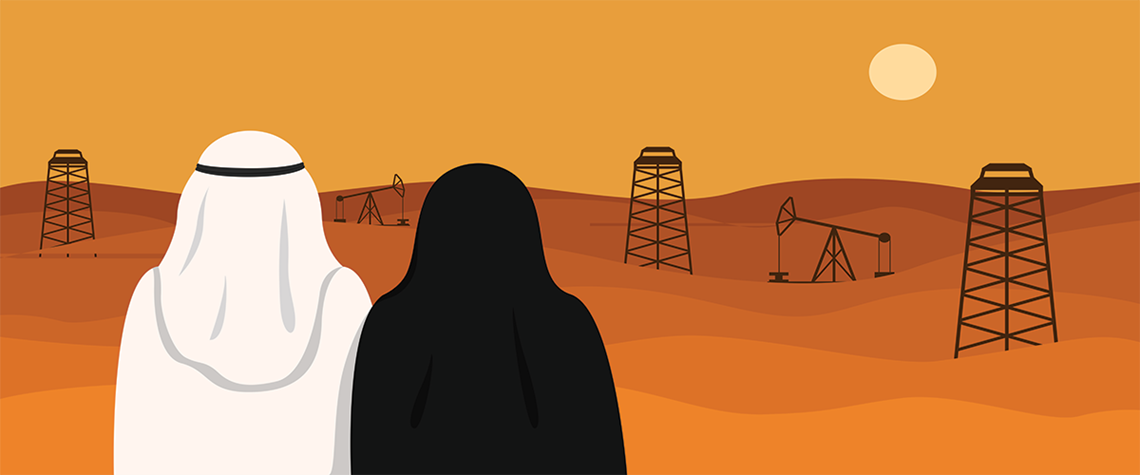
The brutal military crackdowns launched as the Arab Spring spread across Tunisia, Egypt, Libya, Bahrain and Yemen in 2011 contrasts sharply with the response most Gulf countries' leaderships took to the uprisings. Instead of soldiers, civil servants were more quietly deployed, armed with generous counter-revolutionary doles in the shape of cash and energy subsidies. Sweeping subsidies and targeted financial inducements—in some cases to the tune of as much as 4pc of GDP—quickly and bloodlessly placated populaces. But, as Jim Krane argues in Energy Kingdoms, the unspoken social contract on which this relies might not last forever. Having spent years in the region as a journalist, he crafts ins

Also in this section
2 April 2026
Alongside a rapid continued build-out of renewables, China’s latest five-year plan stresses the value of domestic hydrocarbon production for energy security and calls for increased Russian gas imports
2 April 2026
The government is taking important steps to revive domestic production, lift investment and benefit from the geopolitical crisis even if more needs to be done in the longer term
1 April 2026
Golden Pass’s startup offers QatarEnergy a timely boost but may also force a difficult choice between honouring disrupted contracts and capitalising on soaring spot LNG prices
1 April 2026
It is not a case of if or when, but the length and magnitude of economic damage from elevated oil prices


