


Egypt’s stability rests on economic gains
Unless Cairo can consolidate economic progress, upcoming elections could become a focal point for mass protests
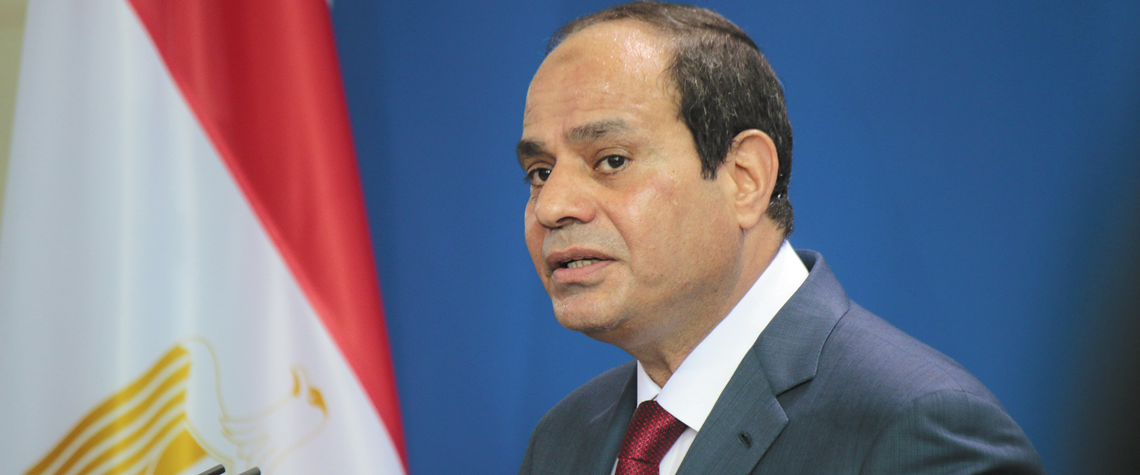
The Egyptian political scene has a crowded agenda for 2020. With three elections scheduled to take place, there are signs among important segments of the population of growing discontent with the authoritarianism of President Abdel-Fattah el-Sisi . The economic backdrop presents stark contrasts. By many traditional metrics, Egypt’s economy is performing well, with high growth, falling rates of inflation and unemployment, a shrinking budget deficit and relatively robust investment. However, the effects of previous economic shocks and the IMF-backed reforms enacted since 2016 have eroded living standards, and there is widespread resentment at the growing economic power of a largely unaccountab

Also in this section
9 April 2026
The April 2026 issue of Petroleum Economist is out now!
9 April 2026
Offshore operators are working through an FID backlog as the rig market consolidates, helped by improving project economics and a renewed security drive
2 April 2026
Alongside a rapid continued build-out of renewables, China’s latest five-year plan stresses the value of domestic hydrocarbon production for energy security and calls for increased Russian gas imports
2 April 2026
The government is taking important steps to revive domestic production, lift investment and benefit from the geopolitical crisis even if more needs to be done in the longer term


