


Nigeria waits for promises to be fulfilled
The National Assembly has waited more than six months for the president to give his assent to anti-corruption legislation
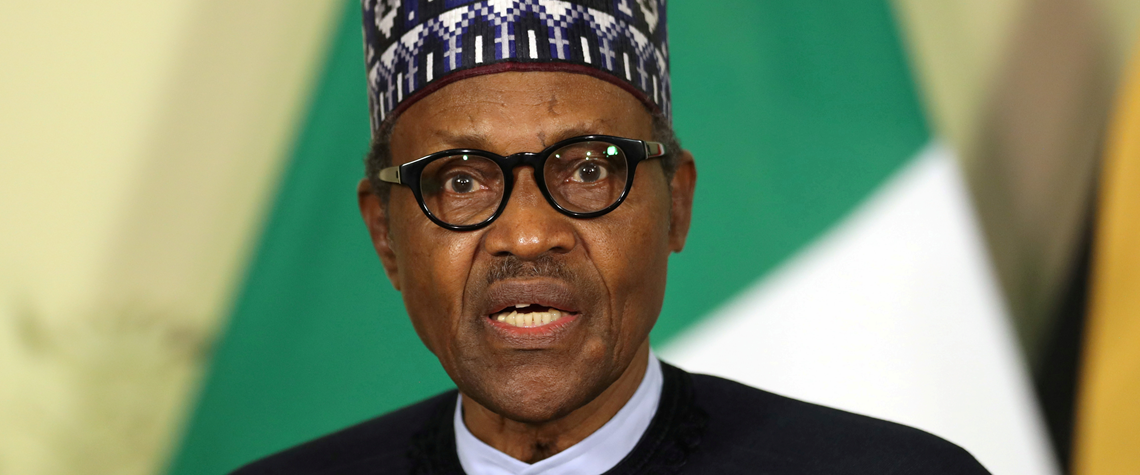
Nigerian legislators have done everything within their power to force transparency in its oil and gas sector and curb illicit financial flows from its shores, passing the amended Companies and Allied Matters Act (Cama). But they still have a final hurdle to cross—securing President Muhammadu Buhari’s illusive signature. “The [amended] Cama bill is meant to take care of beneficial ownership as it requires all companies in Nigeria to disclose, in their annual returns and register of members, the details of all persons with significant control, of over 5pc,” says Lagos-based Adejoke Akinbode, program officer, extractives at BudgIT, a civic organisation that uses technology to demand transparen

Also in this section
2 April 2026
Alongside a rapid continued build-out of renewables, China’s latest five-year plan stresses the value of domestic hydrocarbon production for energy security and calls for increased Russian gas imports
2 April 2026
The government is taking important steps to revive domestic production, lift investment and benefit from the geopolitical crisis even if more needs to be done in the longer term
1 April 2026
Golden Pass’s startup offers QatarEnergy a timely boost but may also force a difficult choice between honouring disrupted contracts and capitalising on soaring spot LNG prices
1 April 2026
It is not a case of if or when, but the length and magnitude of economic damage from elevated oil prices


