


US withdrawal stirs the Middle East
Long-term adversaries are re-evaluating their allegiances in the wake of the US policy shift in the region
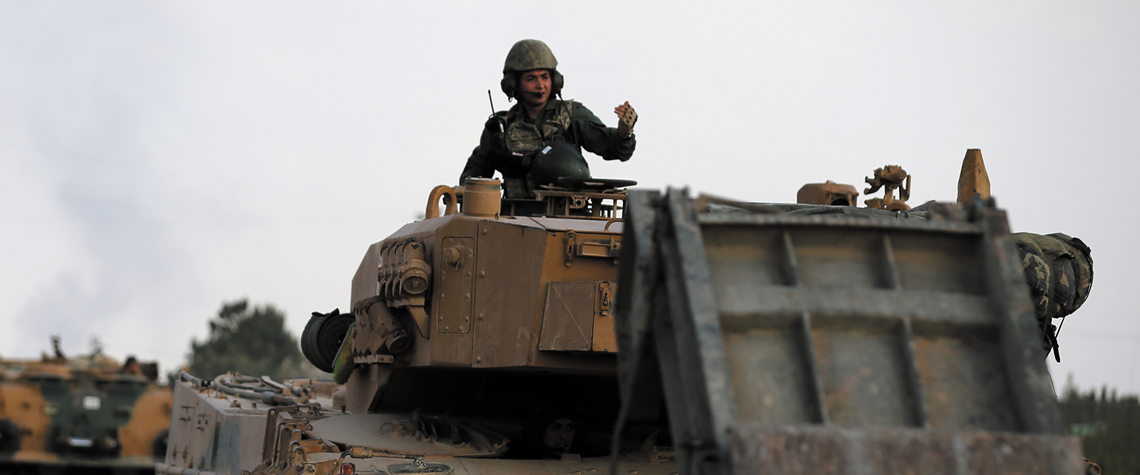
Shifting alliances and strategies, growing perceptions of US disengagement as well as tentative, exploratory rapprochement between rivals—look set to leave their mark on the geopolitical landscape of the Middle East and North Africa (Mena) in 2020. President Donald Trump’s America First policy and his aversion to projecting power are recasting long-standing relationships, including those with Saudi Arabia and even Israel. The trend may become even more apparent in the run-up to the American presidential election in November 2020. Trump’s controversial decision in October 2019 to withdraw US forces from northern Syria and effectively give the green light to a Turkish offensive against Kurdi

Also in this section
2 April 2026
Alongside a rapid continued build-out of renewables, China’s latest five-year plan stresses the value of domestic hydrocarbon production for energy security and calls for increased Russian gas imports
2 April 2026
The government is taking important steps to revive domestic production, lift investment and benefit from the geopolitical crisis even if more needs to be done in the longer term
1 April 2026
Golden Pass’s startup offers QatarEnergy a timely boost but may also force a difficult choice between honouring disrupted contracts and capitalising on soaring spot LNG prices
1 April 2026
It is not a case of if or when, but the length and magnitude of economic damage from elevated oil prices


