


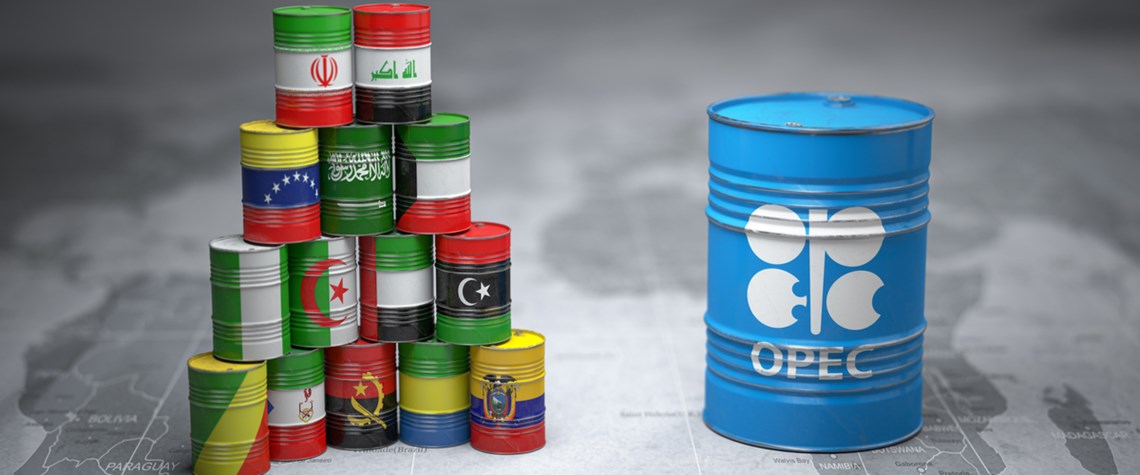
Letter from the Middle East: The UAE and Opec—a problem postponed, not solved
Abu Dhabi may have fallen into line for now, but tensions could re-emerge next month
The solution reached by Opec+ in early December may have calmed oil markets’ fears over lack of unity in the alliance’s appetite for retaining production curbs until the end of the year. But month-by-month revisiting of output limits opens the prospect for tensions to emerge with each negotiation. And the potentially growing impatience of the UAE to remake its quota, to allow it to produce more, could thus emerge not as an issue bubbling in the background, but as an open and prolonged battle. The UAE, represented effectively by Abu Dhabi, has traditionally been a strong supporter of Opec, despite not having been a founder member. It usually closely coordinates its policy with Mid-East Gul

Also in this section
24 March 2026
It is an unusual story of out with the new and in with the old, as America First Refining shows the US going back to trusted energy security developments
23 March 2026
A complex and sometimes contradictory web of factors that include unpredictable oil prices, the globalisation of LNG markets, the expansion of Middle Eastern sovereign capital and the growth of datacentre demand will shape the energy landscape beyond 2026
23 March 2026
The Strait of Hormuz crisis highlights how key waterways can become global chokepoints
20 March 2026
Attacks on key oil and LNG assets across the Gulf mean a prolonged supply disruption, with damage to Qatar’s export capacity undermining confidence in the global gas system


