


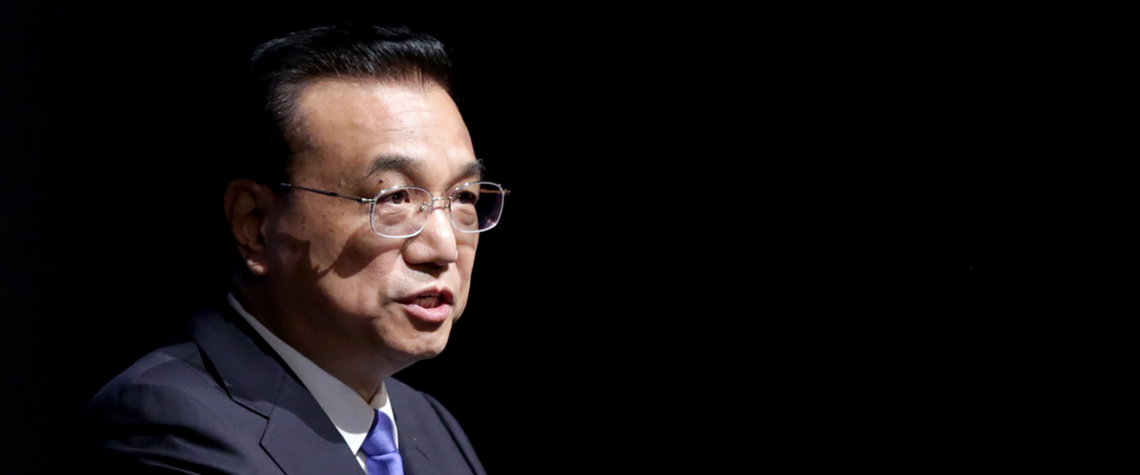
Chinese premier Li Keqiang
Beijing strives to balance security and decarbonisation
The ongoing global energy crunch underlines the difficult task facing China’s leaders in balancing energy supply security while reaching net zero in the next 40 years
The extensive power cuts in China have roiled industry over the past two months and come amid energy shortfalls in Europe, India, Pakistan and Brazil. Elsewhere power prices in Japan and South Korea have climbed in recent weeks to reflect the spike in costs for oil, LNG and coal. China’s power shortages are largely rooted in high coal prices and inflexible electricity tariffs that have not been able to reflect the rising generation costs. Renewables and China’s net-zero carbon goal have not been blamed, but the debacle has renewed a debate in policy circles over whether the near-term priority should be energy security—which would include greater production of fossil fuels alongside renewable

Also in this section
29 April 2026
The UAE’s exit from the alliance marks a decisive step towards a world in which oil markets are shaped less by collective management and more by national strategy
29 April 2026
Trafigura’s $1b prepayment agreement confirms African resource holders’ renewed interest in oil-backed financing deals as they look to capitalise on high oil prices
29 April 2026
The UAE’s departure from the oil producers’ group was a surprise to many, but the move can be traced back to a single point five years ago
28 April 2026
Oil traders warning of $200/bl oil are wrong, and the market should be wary of proclamations that the impact of the oil shortage has only begun to be felt and a that a ‘harsh adjustment’ is coming—even for industrialised nations


