


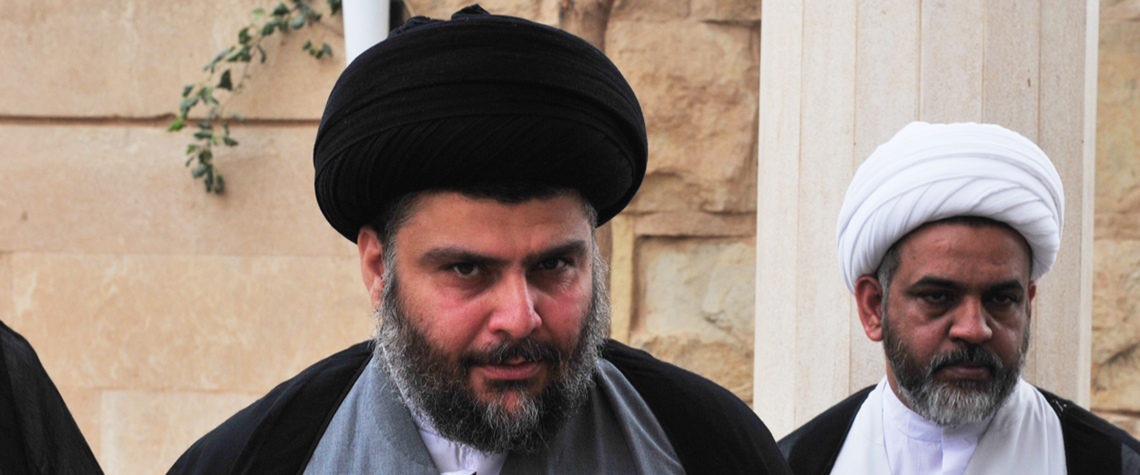
Shia cleric Moqtada al-Sadr's nationalist faction saw strong results
Iraqi election results offer domestic gas promise
A poor showing for Iranian-backed factions may add impetus to efforts to reduce import dependence
The results of Iraq’s mid-October parliamentary elections saw losses for pro-Iran parties and gains for those—at least currently—opposing Tehran’s influence. And that could be good news for a drive to increase Iraq’s domestic gas production, in turn reducing import requirements from its eastern neighbour. Iran-aligned officials have long obstructed gas development projects aimed at weaning Iraq off this dependence, given it would weaken Tehran’s political and economic influence in Iraq. The election results could promise a reduction in these obstacles, although they are unlikely to be removed entirely. Fatah, hitherto the largest pro-Iranian faction in parliament, was the poll’s main loser,

Also in this section
24 March 2026
It is an unusual story of out with the new and in with the old, as America First Refining shows the US going back to trusted energy security developments
23 March 2026
A complex and sometimes contradictory web of factors that include unpredictable oil prices, the globalisation of LNG markets, the expansion of Middle Eastern sovereign capital and the growth of datacentre demand will shape the energy landscape beyond 2026
23 March 2026
The Strait of Hormuz crisis highlights how key waterways can become global chokepoints
20 March 2026
Attacks on key oil and LNG assets across the Gulf mean a prolonged supply disruption, with damage to Qatar’s export capacity undermining confidence in the global gas system


