


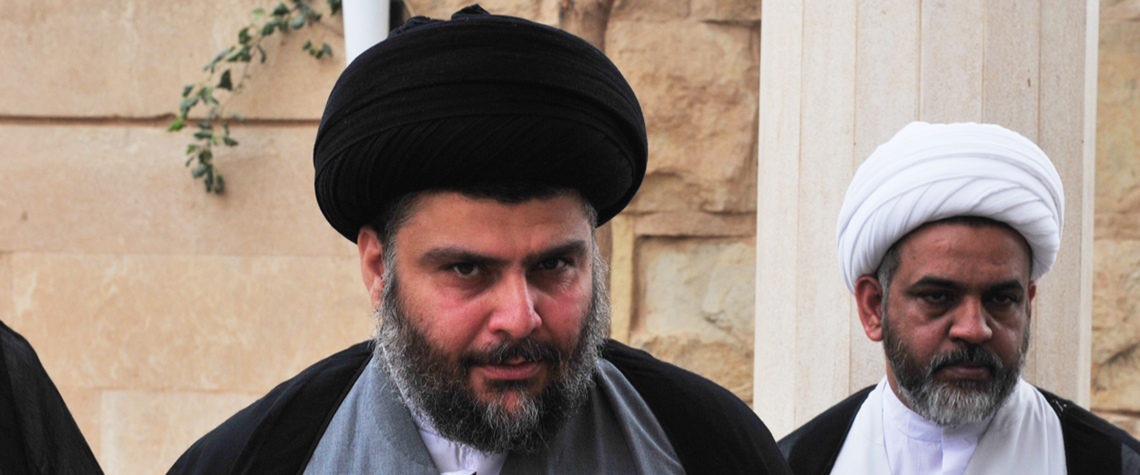
Shia cleric Moqtada al-Sadr's nationalist faction saw strong results
Iraqi election results offer domestic gas promise
A poor showing for Iranian-backed factions may add impetus to efforts to reduce import dependence
The results of Iraq’s mid-October parliamentary elections saw losses for pro-Iran parties and gains for those—at least currently—opposing Tehran’s influence. And that could be good news for a drive to increase Iraq’s domestic gas production, in turn reducing import requirements from its eastern neighbour. Iran-aligned officials have long obstructed gas development projects aimed at weaning Iraq off this dependence, given it would weaken Tehran’s political and economic influence in Iraq. The election results could promise a reduction in these obstacles, although they are unlikely to be removed entirely. Fatah, hitherto the largest pro-Iranian faction in parliament, was the poll’s main loser,

Also in this section
14 April 2026
The GECF has warned it may revise its projections for demand this year downwards in light of conflict in the Middle East, although it maintains its forecasts for 2027 and onwards
13 April 2026
Petroleum Economist analysis highlights sharp shift from crude oversupply to market deficit, with Iraq and Kuwait badly affected and key producers Saudi Arabia and the UAE also seeing output sharply lower
13 April 2026
Turkmenistan is moving ahead with a modest expansion of the giant Galkynysh field to sustain gas deliveries abroad, but persistent delays to other key pipeline projects and geopolitical risks continue to constrain its export ambitions
13 April 2026
Expensive electricity has forced out swathes of energy-intensive industry and now threatens the country’s ability to attract future investment in datacentres and the digital economy


