


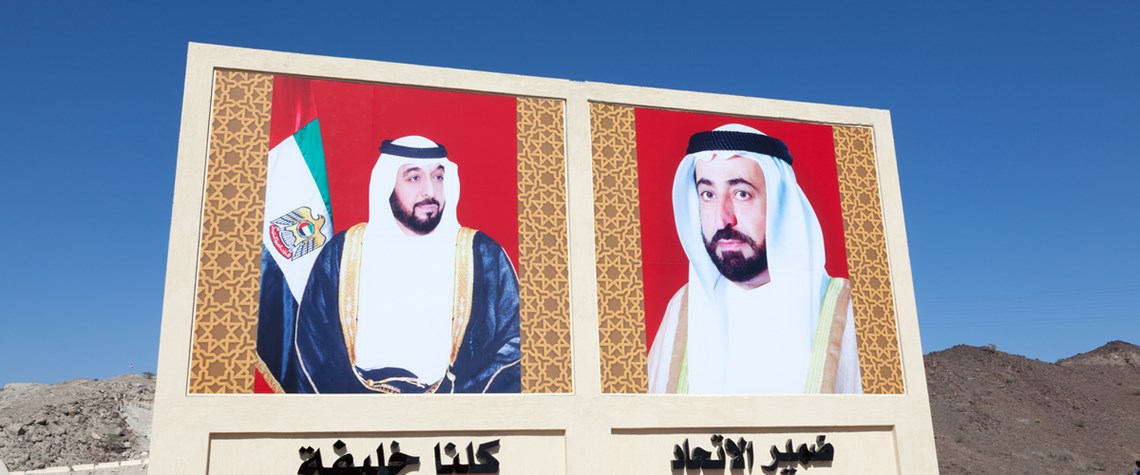
UAE President Khalifa bin Zayed Al Nahyan and Sheikh Mohammed bin Rashid Al Maktoum
Opec faces longer-term challenges
The organisation may have smoothed over the cracks this time. But the UAE’s very public dissent may be just the first sign of things to come
It was little surprise that Saudi Arabia and the UAE eventually reached a compromise on Opec production and baselines, despite the high drama at the latest Opec ministerial meeting. What was surprising, though, was the public nature of the disagreement and the willingness of UAE officials to joust so vigorously with their Saudi counterparts in international media, leading to energy minister Prince Abdulaziz bin Salman playing much more a la guerre than a plaisance. Opec has had its fair share of drama over the years. Nevertheless, the fact that the two erstwhile allies who have worked closely on finessing the cartel’s policies for decades and, since 2015, co-ordinated on a range of regional

Also in this section
2 April 2026
Alongside a rapid continued build-out of renewables, China’s latest five-year plan stresses the value of domestic hydrocarbon production for energy security and calls for increased Russian gas imports
2 April 2026
The government is taking important steps to revive domestic production, lift investment and benefit from the geopolitical crisis even if more needs to be done in the longer term
1 April 2026
Golden Pass’s startup offers QatarEnergy a timely boost but may also force a difficult choice between honouring disrupted contracts and capitalising on soaring spot LNG prices
1 April 2026
It is not a case of if or when, but the length and magnitude of economic damage from elevated oil prices


