


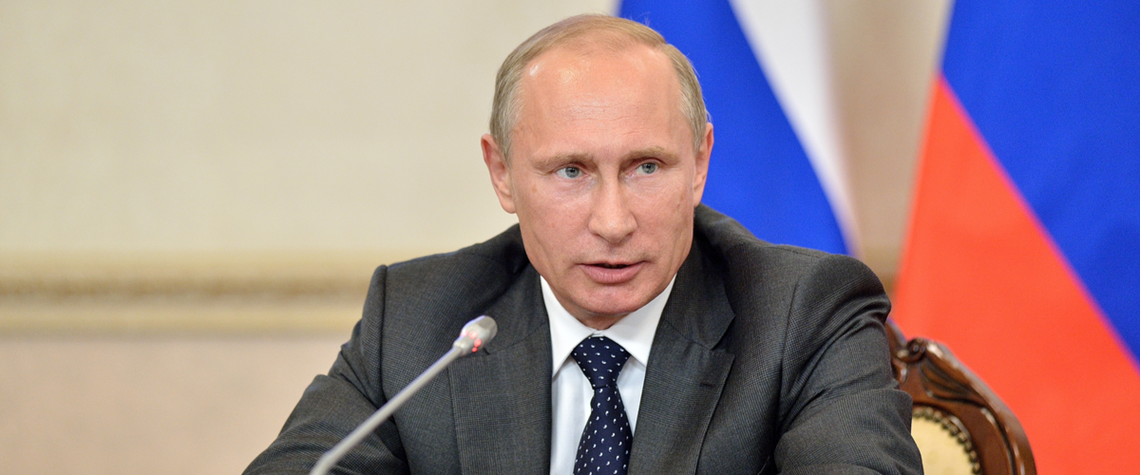
Russian president Vladimir Putin
Outlook 2022: Russia plays catch-up
The Eurasian giant has announced an aggressive decarbonisation plan while striving to relieve Europe’s power crunch
Russia’s 2035 energy strategy, released last year, failed to mention climate change, but the country has undergone a sea-change in its approach to decarbonisation over the subsequent 18 months. In April, President Vladimir Putin included environmental and climate issues as a priority for his country’s development for the first time in his state of the nation address, while also adding the climate emergency to Russia’s National Defence Strategy. In July, Putin signed legislation limiting greenhouse gas emissions for private enterprises and, in November, Prime Minister Mikhail Mishustin announced an ambitious decarbonisation strategy—although slightly watered down from the initial draft drawn

Also in this section
2 April 2026
Alongside a rapid continued build-out of renewables, China’s latest five-year plan stresses the value of domestic hydrocarbon production for energy security and calls for increased Russian gas imports
2 April 2026
The government is taking important steps to revive domestic production, lift investment and benefit from the geopolitical crisis even if more needs to be done in the longer term
1 April 2026
Golden Pass’s startup offers QatarEnergy a timely boost but may also force a difficult choice between honouring disrupted contracts and capitalising on soaring spot LNG prices
1 April 2026
It is not a case of if or when, but the length and magnitude of economic damage from elevated oil prices


