


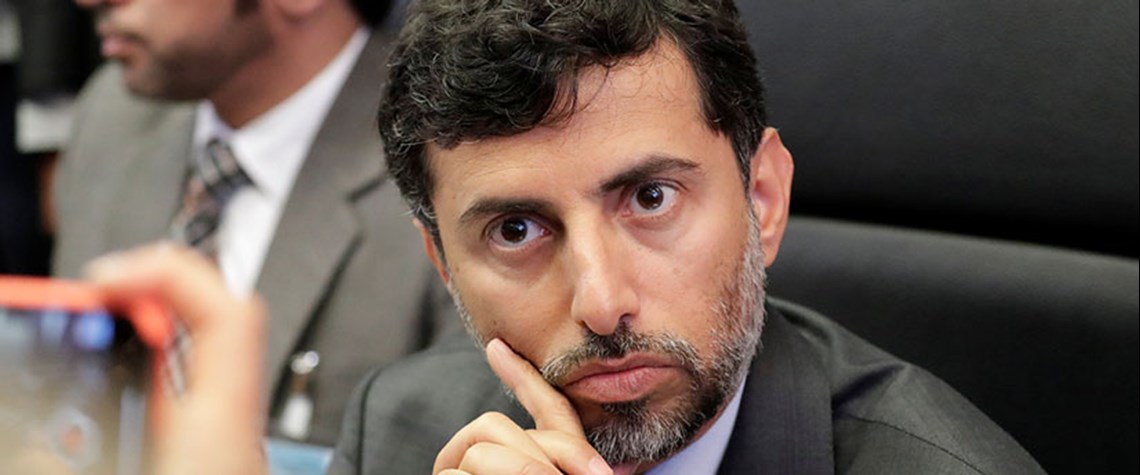
UAE Oil Minister Suhail Mohamed al-Mazrouei
Saudi Arabia’s different drivers bode ill for Opec+ unity
The Kingdom has a radically divergent perspective on both the short- and long-term oil market. And that could mean the cracks in the cartel only getting wider
“I find it striking that the UAE has stepped away from Saudi Arabia, a long, long-time ally within Opec and Opec+,” Dan Brouillette, US secretary of state for energy from 2019 to earlier this year, told CNBC in the aftermath of the collapse of July’s Opec+ meeting without an agreement. But, looking at the inherently different motivations between Saudi Arabia and other major producers within the cartel, perhaps it is not that surprising. Indeed, maybe the most notable aspect of the oil market’s recent history has been the relative unity between diverse actors as the energy transition upends received wisdom in all aspects of the industry. And, if these Saudi-Emirati cracks become fissures, the

Also in this section
2 April 2026
Alongside a rapid continued build-out of renewables, China’s latest five-year plan stresses the value of domestic hydrocarbon production for energy security and calls for increased Russian gas imports
2 April 2026
The government is taking important steps to revive domestic production, lift investment and benefit from the geopolitical crisis even if more needs to be done in the longer term
1 April 2026
Golden Pass’s startup offers QatarEnergy a timely boost but may also force a difficult choice between honouring disrupted contracts and capitalising on soaring spot LNG prices
1 April 2026
It is not a case of if or when, but the length and magnitude of economic damage from elevated oil prices


