


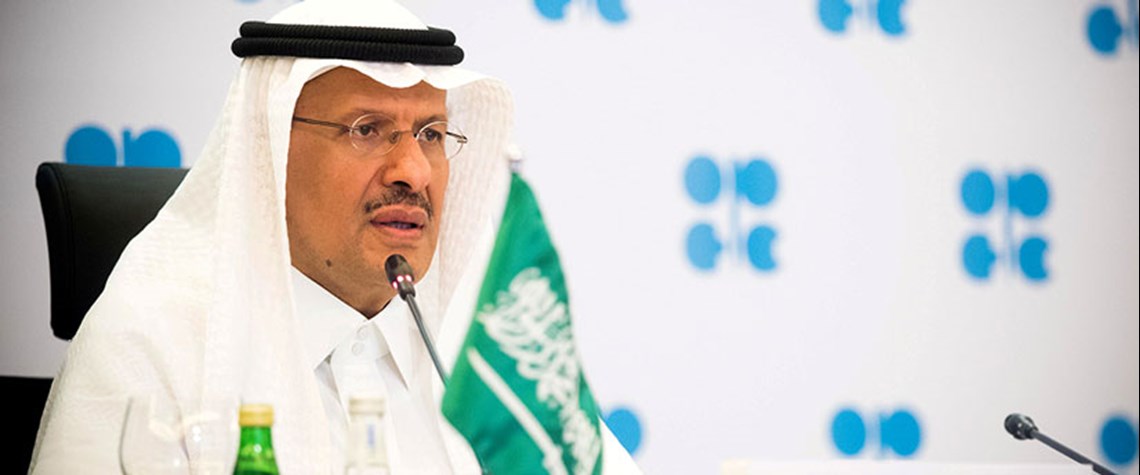
Saudi Arabian energy minister Abdulaziz bin Salman
UAE and Saudi Arabia to put differences behind them
An understanding that the Opec partners are better working together appears likely to keep the peace
The recent squabble between the UAE and Saudi Arabia threatened to derail over a year of constructive collaboration between Opec and its partners to restabilise the market under their May 2020 deal. But, while such tensions may continue, they do not have to pose an existential threat to Opec’s survival. Both Opec+ combatants are pushing to increase oil production capacity by 1mn bl/d. But the UAE has been more constrained by its quota baseline than its southern neighbour, and Abu Dhabi sought to force change. Saudi Arabia was already relatively unrestricted by its baseline, having only twice in history surpassed the 11mn bl/d quota in place prior to the recent hike to 11.5mn bl/d. Several fo

Also in this section
28 April 2026
Oil traders warning of $200/bl oil are wrong, and the market should be wary of proclamations that the impact of the oil shortage has only begun to be felt and a that a ‘harsh adjustment’ is coming—even for industrialised nations
28 April 2026
Restoring supply from Saudi Arabia, the UAE, Kuwait, Qatar, Bahrain and Iraq involves complexities far beyond simply adjusting operational controls
28 April 2026
Datacentres will guzzle power at a ferocious rate, but the impact on wider energy markets will be far more complex than previously thought
28 April 2026
The key energy player faces balancing regional routes, political complexities, and creating a clear strategic vision for energy security


