


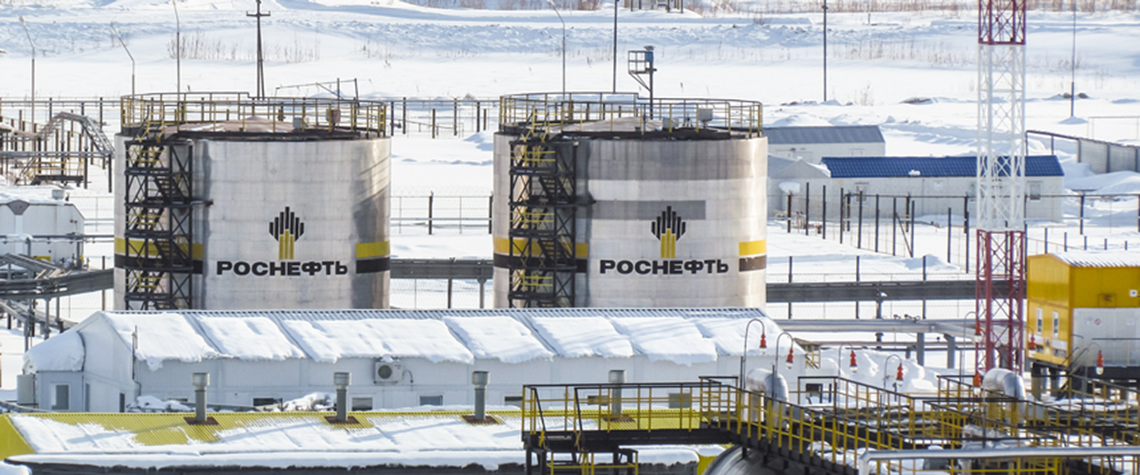
BP will exit its stake in Rosneft
BP, Equinor and Shell heap pressure on peers
The firms’ Russian exits will make remaining in the country difficult to justify for other IOCs
The decisions by BP, Shell and Norway’s Equinor to quit their Russian oil and gas businesses in response to the invasion of Ukraine have seen continuing licence to operate placed above immediate economics. It will now be very difficult for other IOCs, particularly those based in an angry and almost uniformly pro-Ukraine Europe, to resist calls for them to follow suit, even if they might be more reluctant to do so. BP will exit its stake in Russian oil company Rosneft, while Norway’s Equinor is to start withdrawing from its joint ventures (JVs) in Russia—which arose mainly from a 2012 cooperation agreement with Rosneft and had a value of c.$1.2bn at the end of 2021, according to Spanish bank

Also in this section
2 April 2026
Alongside a rapid continued build-out of renewables, China’s latest five-year plan stresses the value of domestic hydrocarbon production for energy security and calls for increased Russian gas imports
2 April 2026
The government is taking important steps to revive domestic production, lift investment and benefit from the geopolitical crisis even if more needs to be done in the longer term
1 April 2026
Golden Pass’s startup offers QatarEnergy a timely boost but may also force a difficult choice between honouring disrupted contracts and capitalising on soaring spot LNG prices
1 April 2026
It is not a case of if or when, but the length and magnitude of economic damage from elevated oil prices


