


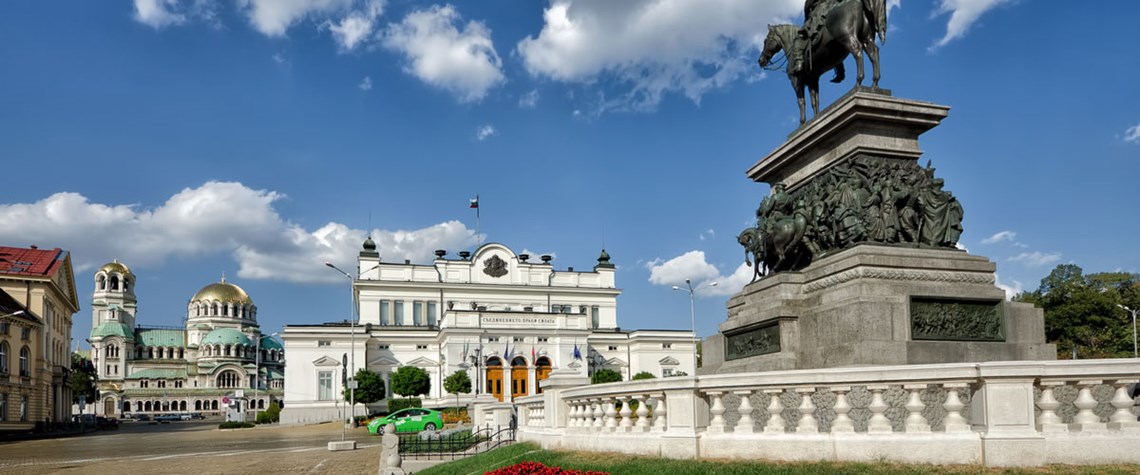
Bulgaria’s parliament
Letter from Eastern Europe: Bulgaria attempts Russian pivot
On the front line of potential weaponisation of Russian energy, the poorest and arguably most corrupt EU member state is heavily dependent but not without diversification options
EU and Nato member Bulgaria faces a challenge as Europe attempts to wean itself off Russian gas while also facing the potential risk of the Putin regime cutting off supply to those opposing its Ukrainian adventurism. The country imports about 90pc of its gas and most of its other energy resources from Russia, yet it can, in fact, diversify relatively easily. Bulgaria’s energy problems are to some extent self-inflicted—as the recently elected pro-Western government is quick to point out. Solutions will involve not just connecting to nearby pipelines and securing the right contracts, but also rooting out institutional dysfunction and healing political rifts. In response to steep financial sanc

Also in this section
2 April 2026
Alongside a rapid continued build-out of renewables, China’s latest five-year plan stresses the value of domestic hydrocarbon production for energy security and calls for increased Russian gas imports
2 April 2026
The government is taking important steps to revive domestic production, lift investment and benefit from the geopolitical crisis even if more needs to be done in the longer term
1 April 2026
Golden Pass’s startup offers QatarEnergy a timely boost but may also force a difficult choice between honouring disrupted contracts and capitalising on soaring spot LNG prices
1 April 2026
It is not a case of if or when, but the length and magnitude of economic damage from elevated oil prices


