


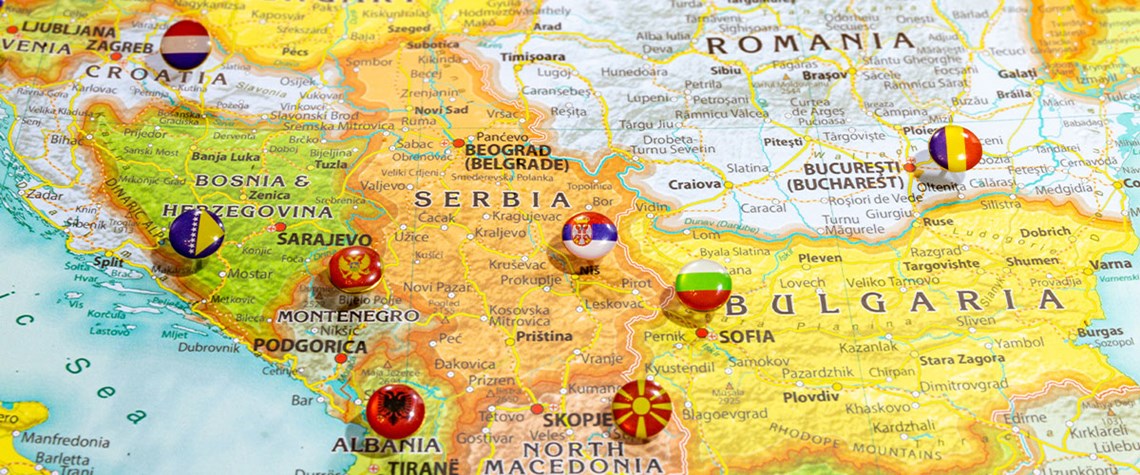
Conflicts in the western part of the Balkan peninsula continue to simmer
Letter from Eastern Europe: Western Balkans a test for energy diplomacy
Common energy projects appear to be holding a famously fractious Balkan peninsula together—for now
The Balkan peninsula was once described as the powder keg of Europe, and despite furious diplomacy in recent weeks by European Commission president Ursula von der Leyen and other leading EU figures, conflicts in the western part of the peninsula continue to simmer. Energy is right at the heart of heated intrigue. But while elsewhere around the globe it often divides neighbours, here it is a major factor holding peace together. With oil and gas prices skyrocketing, Russian supplies in doubt and winter descending fast upon the region, a billion-euro energy fund consisting of grants and budget aid may go a long way to patch rising neighbourhood tensions, at least temporarily, and to put a lid o

Also in this section
13 April 2026
Petroleum Economist analysis highlights sharp shift from crude oversupply to market deficit, with Iraq and Kuwait badly affected and key producers Saudi Arabia and the UAE also seeing output sharply lower
13 April 2026
Turkmenistan is moving ahead with a modest expansion of the giant Galkynysh field to sustain gas deliveries abroad, but persistent delays to other key pipeline projects and geopolitical risks continue to constrain its export ambitions
13 April 2026
Expensive electricity has forced out swathes of energy-intensive industry and now threatens the country’s ability to attract future investment in datacentres and the digital economy
13 April 2026
For GCC producers, the ceasefire may prove more destabilising than the war itself: exports remain constrained, and control over Hormuz has shifted in ways that could endure


