


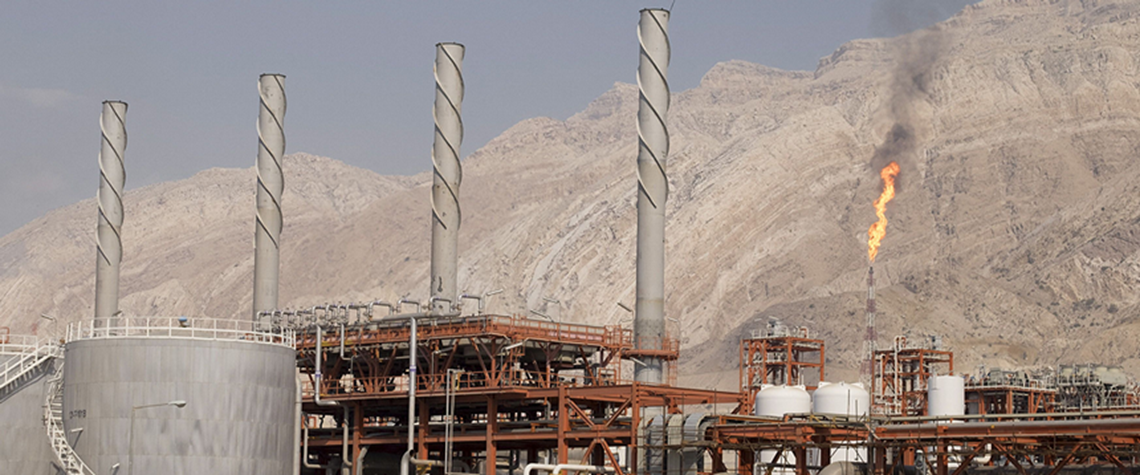
The South Pars field yields more than 80pc of Iran's production
Letter from the Middle East: Iran’s gas sector under pressure
Tehran’s gas industry faces two old and two new problems
The damage that US sanctions have wreaked on Iran’s oil exports is well-known. Less widely discussed are the effects on its gas industry. As negotiations in Vienna on the nuclear deal heat up, domestic gas is one of Tehran’s biggest concerns, and the country faces four challenges: two old and two new. Iran is holder of the world’s second largest gas reserves and is the third biggest producer of the fuel, but it also—remarkably for a medium-size country—behind only the US, Russia and China as a consumer. A mostly gasified power sector, the connection of even remote settlements to the grid, a cold winter climate, the rapid expansion of gas-based industry, and a legacy of subsidies and ineffici

Also in this section
24 March 2026
It is an unusual story of out with the new and in with the old, as America First Refining shows the US going back to trusted energy security developments
23 March 2026
A complex and sometimes contradictory web of factors that include unpredictable oil prices, the globalisation of LNG markets, the expansion of Middle Eastern sovereign capital and the growth of datacentre demand will shape the energy landscape beyond 2026
23 March 2026
The Strait of Hormuz crisis highlights how key waterways can become global chokepoints
20 March 2026
Attacks on key oil and LNG assets across the Gulf mean a prolonged supply disruption, with damage to Qatar’s export capacity undermining confidence in the global gas system


