


Russia is building closer ties with China
Russian aggression boosts China’s bargaining power
With the Putin administration hard-pressed by Western sanctions, Beijing may look to take advantage
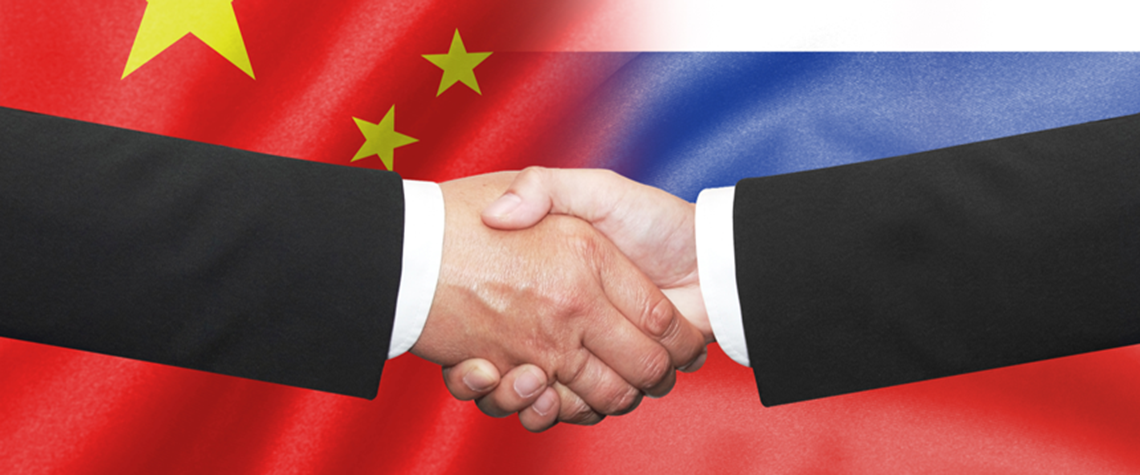
The world looked very different when Russian president Vladimir Putin and Chinese president Xi Jinping announced a grand new alliance between their countries at the start of the Winter Olympics in China in early February, touting it as a “no limits” partnership superior to Nato and other Cold War-era alliances. The former’s apparent miscalculation over the strength of reaction by Ukraine’s allies to his illegal invasion has handed the latter the upper hand in their new relationship. “The war in Ukraine has shifted the Russian-Chinese energy balance in China’s favour,” says Jan Kalicki, an energy security expert at the Wilson Center, a Washington-based thinktank. “The Kremlin must depend much

Also in this section
2 April 2026
Alongside a rapid continued build-out of renewables, China’s latest five-year plan stresses the value of domestic hydrocarbon production for energy security and calls for increased Russian gas imports
2 April 2026
The government is taking important steps to revive domestic production, lift investment and benefit from the geopolitical crisis even if more needs to be done in the longer term
1 April 2026
Golden Pass’s startup offers QatarEnergy a timely boost but may also force a difficult choice between honouring disrupted contracts and capitalising on soaring spot LNG prices
1 April 2026
It is not a case of if or when, but the length and magnitude of economic damage from elevated oil prices


