


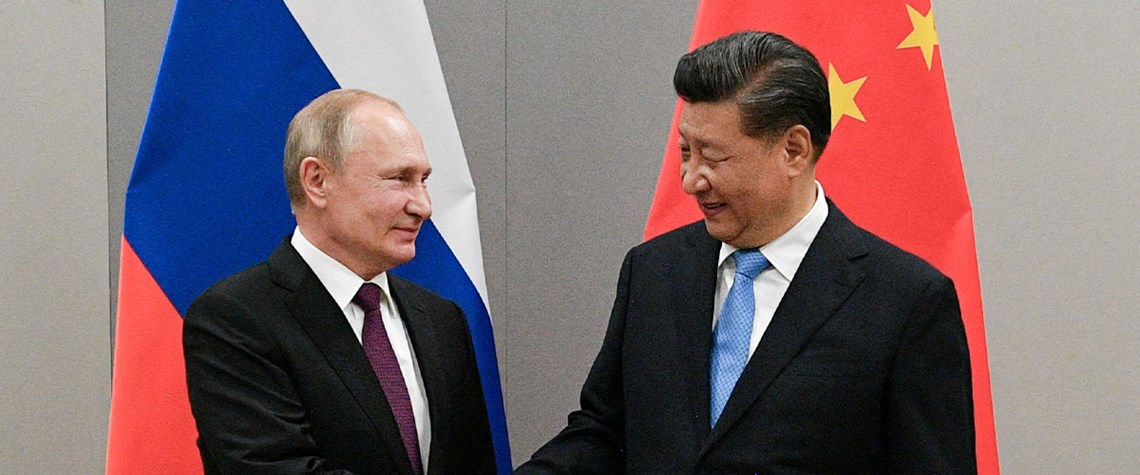
Russia seeks deeper energy cooperation with China
Siberian Spring: Russia-China energy relations poised for growth
The fallout from Russia’s invasion of Ukraine is likely to spur closer energy cooperation between Moscow and Beijing, although significant hurdles remain
A glance at Russia’s oil and gas infrastructure map tells you everything you need to know about Moscow’s energy priorities up to now. West of the Yenisei River, which traditionally divides Siberia into its western and eastern halves, the map is filled by an intricate network of pipelines connecting Yamal to European oil and gas markets. To the east, however, the map is almost bare. Despite China being the world's largest energy market, Russia has been so far slow to grasp the opportunity. But perhaps its relative tardiness is by design. It is often said that Russia and China are bound together by their mutual distrust. Despite huge reserves and geographical proximity to China, Russia account

Also in this section
2 April 2026
Alongside a rapid continued build-out of renewables, China’s latest five-year plan stresses the value of domestic hydrocarbon production for energy security and calls for increased Russian gas imports
2 April 2026
The government is taking important steps to revive domestic production, lift investment and benefit from the geopolitical crisis even if more needs to be done in the longer term
1 April 2026
Golden Pass’s startup offers QatarEnergy a timely boost but may also force a difficult choice between honouring disrupted contracts and capitalising on soaring spot LNG prices
1 April 2026
It is not a case of if or when, but the length and magnitude of economic damage from elevated oil prices


