


Iraq won the crucial pipeline arbitration, but its prize is less than it hoped
Iraq-Turkey pipeline outlook unclear despite deal
Major issues remain despite agreement between Iraq and Kurdistan
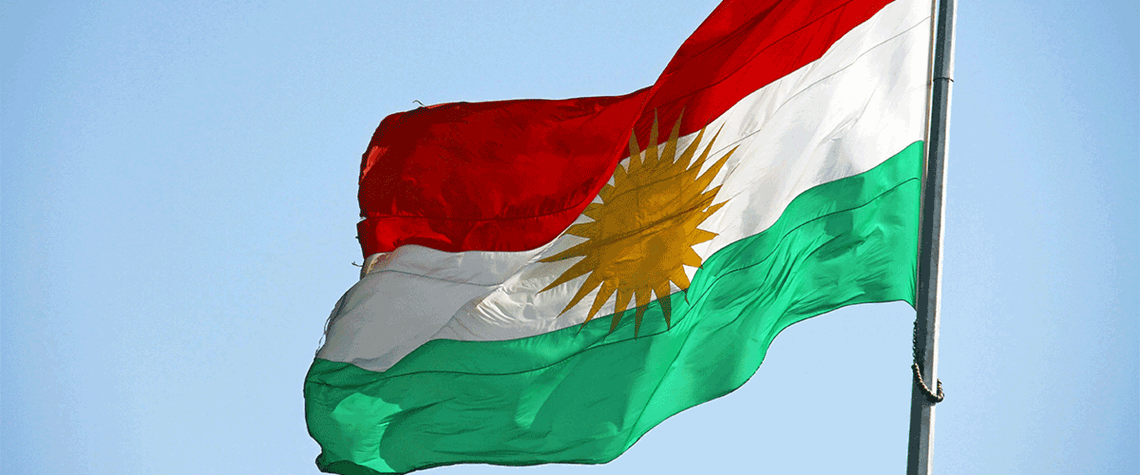
It is a strange victory. Iraq won the crucial pipeline arbitration, but its prize is much less than it hoped. Turkey, which had wanted to compromise, comes out as the enforcer. And despite an apparent breakthrough in talks, the Kurdistan region—not even a party to the case—is the loser on both sides. Back in 2014, the autonomous Kurdistan region, which operates its own petroleum sector despite Baghdad’s claims of supremacy, began exporting oil via a link to the Iraq-Turkey pipeline, originally built in 1976 from Iraq’s Kirkuk fields to Turkey’s Mediterranean port of Ceyhan. In May 2014, Iraq's federal oil ministry filed for arbitration in Paris against Turkey and the country's national pipe

Also in this section
28 April 2026
Oil traders warning of $200/bl oil are wrong, and the market should be wary of proclamations that the impact of the oil shortage has only begun to be felt and a that a ‘harsh adjustment’ is coming—even for industrialised nations
28 April 2026
Restoring supply from Saudi Arabia, the UAE, Kuwait, Qatar, Bahrain and Iraq involves complexities far beyond simply adjusting operational controls
28 April 2026
Datacentres will guzzle power at a ferocious rate, but the impact on wider energy markets will be far more complex than previously thought
28 April 2026
The key energy player faces balancing regional routes, political complexities, and creating a clear strategic vision for energy security


