


Iraq won the crucial pipeline arbitration, but its prize is less than it hoped
Iraq-Turkey pipeline outlook unclear despite deal
Major issues remain despite agreement between Iraq and Kurdistan
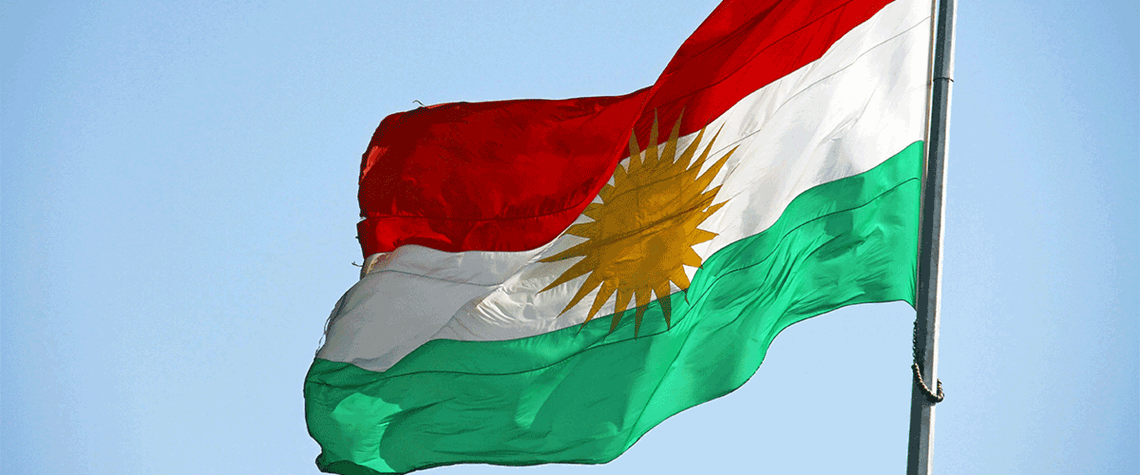
It is a strange victory. Iraq won the crucial pipeline arbitration, but its prize is much less than it hoped. Turkey, which had wanted to compromise, comes out as the enforcer. And despite an apparent breakthrough in talks, the Kurdistan region—not even a party to the case—is the loser on both sides. Back in 2014, the autonomous Kurdistan region, which operates its own petroleum sector despite Baghdad’s claims of supremacy, began exporting oil via a link to the Iraq-Turkey pipeline, originally built in 1976 from Iraq’s Kirkuk fields to Turkey’s Mediterranean port of Ceyhan. In May 2014, Iraq's federal oil ministry filed for arbitration in Paris against Turkey and the country's national pipe

Also in this section
9 April 2026
The April 2026 issue of Petroleum Economist is out now!
9 April 2026
Offshore operators are working through an FID backlog as the rig market consolidates, helped by improving project economics and a renewed security drive
2 April 2026
Alongside a rapid continued build-out of renewables, China’s latest five-year plan stresses the value of domestic hydrocarbon production for energy security and calls for increased Russian gas imports
2 April 2026
The government is taking important steps to revive domestic production, lift investment and benefit from the geopolitical crisis even if more needs to be done in the longer term


