


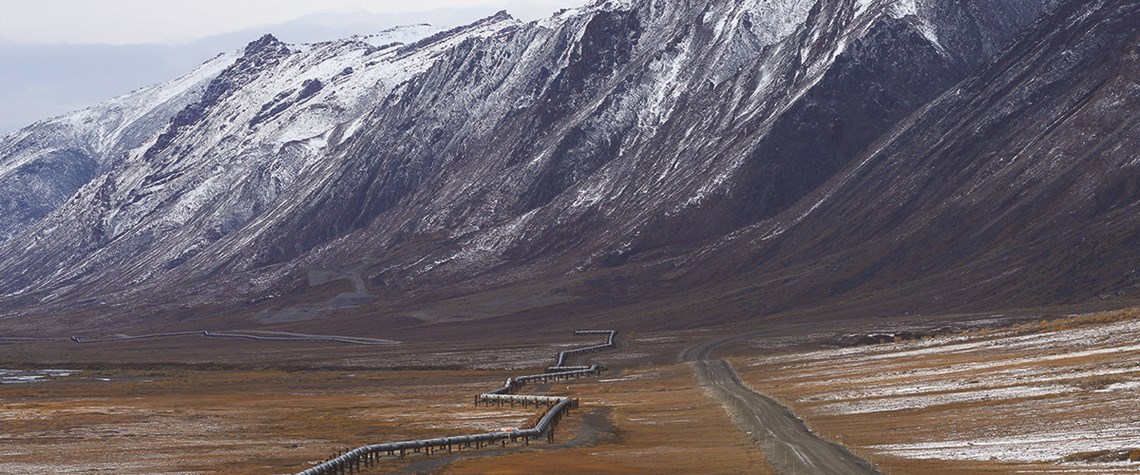
America's pipeline wars
Public opposition and shrinking growth opportunities have put the midstream in a tough spot. Expect more deal-making
The business of building pipelines and other energy infrastructure in America used to be fairly quiet. That was before Keystone XL. In scuppering the project, environmental groups stumbled onto their most effective strategy for keeping oil and gas in the ground-cutting off access to markets. Now, nearly every major pipeline project in the US is a battleground between the industry and activists looking to derail Big Oil. The latest flare up came on the plains of North Dakota where a coalition of Native American and environmental groups halted work on the $3.8bn Energy Transfer Partners-backed Dakota Access Pipeline. The line would ship around 470,000 barrels a day of Bakken crude nearly 2,000

Also in this section
24 March 2026
It is an unusual story of out with the new and in with the old, as America First Refining shows the US going back to trusted energy security developments
23 March 2026
A complex and sometimes contradictory web of factors that include unpredictable oil prices, the globalisation of LNG markets, the expansion of Middle Eastern sovereign capital and the growth of datacentre demand will shape the energy landscape beyond 2026
23 March 2026
The Strait of Hormuz crisis highlights how key waterways can become global chokepoints
20 March 2026
Attacks on key oil and LNG assets across the Gulf mean a prolonged supply disruption, with damage to Qatar’s export capacity undermining confidence in the global gas system


