


Canada's dearth to deluge
Not long ago the oil sands looked hemmed in by a lack of pipeline capacity. Now they may have too much
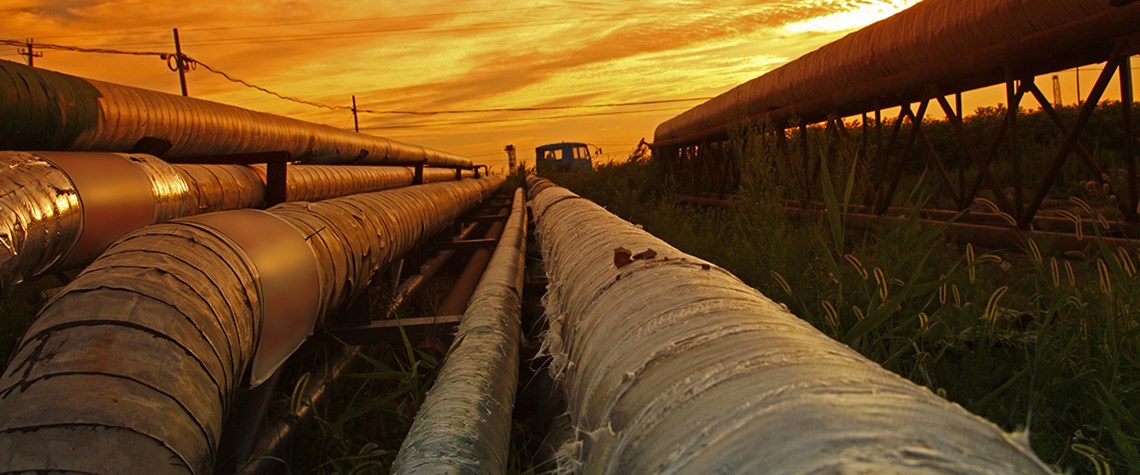
It is a prospect that seemed unthinkable for oil sands producers just a few months ago: Canada, which faced a dire shortage of space on its ageing transportation network, might now be over-piped. Two major pipeline expansions have been approved, a third is moving through the regulatory process; throw in a revived Keystone XL (KXL), and suddenly producers may get 2m b/d of new capacity flowing east, west and south. It started in late November when prime minister Justin Trudeau gave the green light for KinderMorgan's controversial C$6.8bn ($5.2bn) TransMountain expansion (TMX) line, while turfing Enbridge's Northern Gateway proposal at the same time. TMX will triple to 0.9m b/d the capacity on

Also in this section
2 April 2026
Alongside a rapid continued build-out of renewables, China’s latest five-year plan stresses the value of domestic hydrocarbon production for energy security and calls for increased Russian gas imports
2 April 2026
The government is taking important steps to revive domestic production, lift investment and benefit from the geopolitical crisis even if more needs to be done in the longer term
1 April 2026
Golden Pass’s startup offers QatarEnergy a timely boost but may also force a difficult choice between honouring disrupted contracts and capitalising on soaring spot LNG prices
1 April 2026
It is not a case of if or when, but the length and magnitude of economic damage from elevated oil prices


