


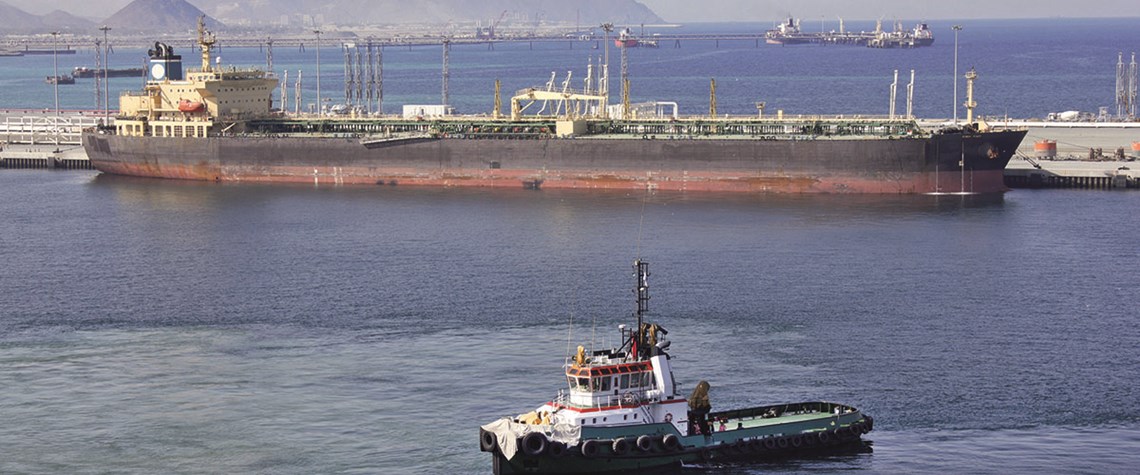
Port of Fujairah aiming high
Logistical and political snags need skilful navigation to secure Fujairah's position as a world-leading energy and trading port
The Port of Fujairah has the geographic fortune of lying just south of the Strait of Hormuz—the world's most important oil transit chokepoint—that the US Energy Information Administration says facilitates traffic which last year carried 18.5m barrels a day of oil. A waterway plied by Arab and Iranian fishermen in rudimentary wooden boats only half a century ago is now used to transport 19% of the world's daily oil supply. Leveraging its golden location, the port is the world's second-largest bunkering hub and has created a 'parking lot' in local waters to capture the increasingly hefty Asia-Middle East-Africa shipping traffic. Progress has been relatively swift. Singapore, the world's larges

Also in this section
24 March 2026
It is an unusual story of out with the new and in with the old, as America First Refining shows the US going back to trusted energy security developments
23 March 2026
A complex and sometimes contradictory web of factors that include unpredictable oil prices, the globalisation of LNG markets, the expansion of Middle Eastern sovereign capital and the growth of datacentre demand will shape the energy landscape beyond 2026
23 March 2026
The Strait of Hormuz crisis highlights how key waterways can become global chokepoints
20 March 2026
Attacks on key oil and LNG assets across the Gulf mean a prolonged supply disruption, with damage to Qatar’s export capacity undermining confidence in the global gas system


