


Refiners should expect the unexpected
Trend spotting is easier said than done in the refining sector
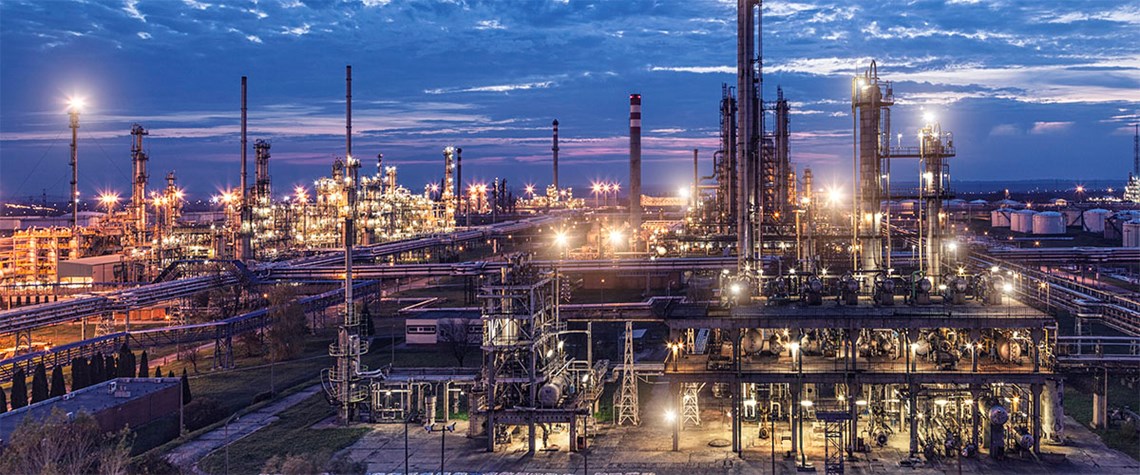
Refiners will need to be nimble to survive in a world of reduced demand for fossil fuels from the transport sector and those plans need to be put in motion now if they are to survive. Mol is a case in point. Around 70% of the company's output from its refineries in Hungary, Croatia and Slovakia, which mainly serve central European markets, is refined products for the transport sector. By 2030, the company plans to increase its non-fuel production, largely targeting the petrochemicals industry, to 50% of total output, compared with the current 30%. "This does not mean we will destroy our capability to produce diesel and gasoline [if margins stay high]," says Ferenc Horvath, head of the compan

Also in this section
28 April 2026
Oil traders warning of $200/bl oil are wrong, and the market should be wary of proclamations that the impact of the oil shortage has only begun to be felt and a that a ‘harsh adjustment’ is coming—even for industrialised nations
28 April 2026
Restoring supply from Saudi Arabia, the UAE, Kuwait, Qatar, Bahrain and Iraq involves complexities far beyond simply adjusting operational controls
28 April 2026
Datacentres will guzzle power at a ferocious rate, but the impact on wider energy markets will be far more complex than previously thought
28 April 2026
The key energy player faces balancing regional routes, political complexities, and creating a clear strategic vision for energy security


