


Brazil finding the balance
The country faces key downstream and infrastructure challenges
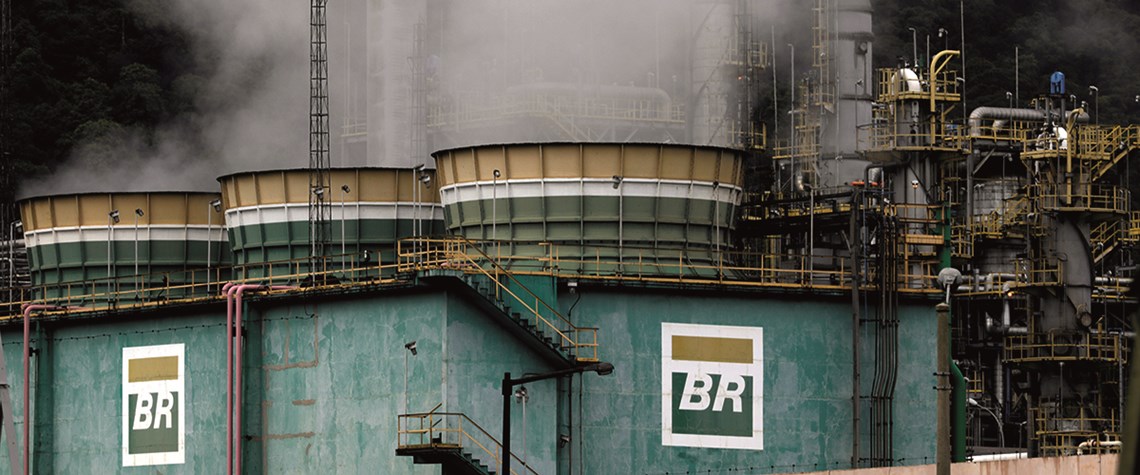
Efforts to reform Brazil's downstream fuels market illustrate the tension between trying to move away from over-arching state control, but also placate a populace angry after corruption scandals and economic austerity. Under existing law, Petrobras plays the role of the country's sole supplier, but this no longer reflects the on-the-ground reality. Nor is it the part the company, which is actively looking for partnerships at some of its refineries, is keen to play. The supreme federal court is, though, taking a keen interest in the legality of any potential partnership. It's estimated that, to meet Brazil's fuels demand in 2030, an investment of over $10bn in downstream infrastructure would

Also in this section
2 April 2026
Alongside a rapid continued build-out of renewables, China’s latest five-year plan stresses the value of domestic hydrocarbon production for energy security and calls for increased Russian gas imports
2 April 2026
The government is taking important steps to revive domestic production, lift investment and benefit from the geopolitical crisis even if more needs to be done in the longer term
1 April 2026
Golden Pass’s startup offers QatarEnergy a timely boost but may also force a difficult choice between honouring disrupted contracts and capitalising on soaring spot LNG prices
1 April 2026
It is not a case of if or when, but the length and magnitude of economic damage from elevated oil prices


