


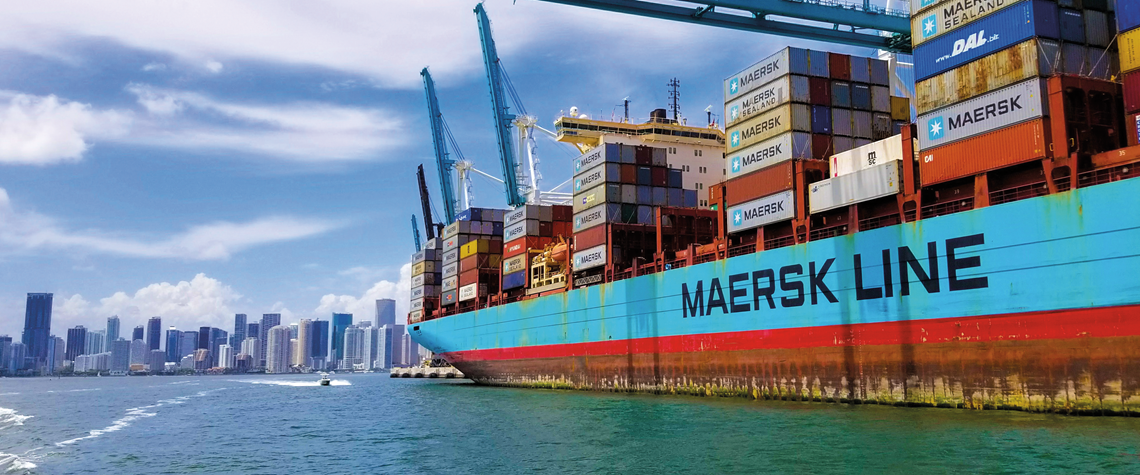
Oil’s days as shipping fuel are numbered
Forget the sulphur cap—shipping industry’s biggest disruption will come from carbon rules
In December, the world's largest shipping company, Maersk, announced that it would transform its entire business to reach zero carbon emissions by 2050. This goal goes beyond the landmark agreement of governments at the International Maritime Organisation (IMO) in April 2018 to "at least halve" the shipping sector's greenhouse gas emissions by 2050. As Maersk acknowledges, reaching zero emissions requires fundamental changes in how ships are powered, ending the combustion of bunker fuel. However, we have yet to hear from bunker companies on whether they plan to adapt and accompany their biggest customer on this energy transition, or just go out of business. How long have they got? Because co

Also in this section
14 April 2026
The GECF has warned it may revise its projections for demand this year downwards in light of conflict in the Middle East, although it maintains its forecasts for 2027 and onwards
13 April 2026
Petroleum Economist analysis highlights sharp shift from crude oversupply to market deficit, with Iraq and Kuwait badly affected and key producers Saudi Arabia and the UAE also seeing output sharply lower
13 April 2026
Turkmenistan is moving ahead with a modest expansion of the giant Galkynysh field to sustain gas deliveries abroad, but persistent delays to other key pipeline projects and geopolitical risks continue to constrain its export ambitions
13 April 2026
Expensive electricity has forced out swathes of energy-intensive industry and now threatens the country’s ability to attract future investment in datacentres and the digital economy


