


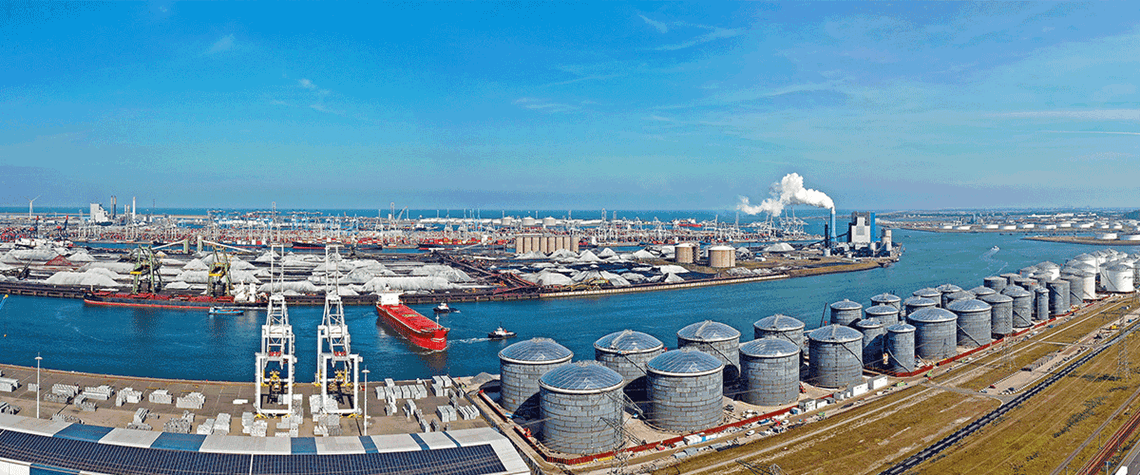
Rotterdam, Europe’s largest port
Ukraine fallout continues to support tanker freight rates
Freight rates for clean tankers—the specialist vessels that transport refined petroleum products—reached multi-year highs in 2022 and are likely to remain strong going into 2023
Clean freight rates saw “multi-year highs this summer… [that] remained elevated through November, driven largely by the effects of Russia’s full-scale invasion of Ukraine”, according to the EIA. Rates for the medium-range (MR) class of clean tankers—the most ubiquitous of product-transporting vessels—even topped those logged early in the pandemic, when the global slump in demand for refined products caused a spike in requirements for tankers to act as floating storage, the EIA states. Tanker freight rates are clustered around common shipping routes, which serve as indicators or even benchmarks for the cost of shipping more generally. "Since February 2022,” rates for voyages involving Russian

Also in this section
28 April 2026
Oil traders warning of $200/bl oil are wrong, and the market should be wary of proclamations that the impact of the oil shortage has only begun to be felt and a that a ‘harsh adjustment’ is coming—even for industrialised nations
28 April 2026
Restoring supply from Saudi Arabia, the UAE, Kuwait, Qatar, Bahrain and Iraq involves complexities far beyond simply adjusting operational controls
28 April 2026
Datacentres will guzzle power at a ferocious rate, but the impact on wider energy markets will be far more complex than previously thought
28 April 2026
The key energy player faces balancing regional routes, political complexities, and creating a clear strategic vision for energy security


