


Newsletters | Request Trial | Log in | Advertise | Digital Issue   |   Search
  • Upstream
  • Midstream & Downstream
  • Gas & LNG
  • Trading & Markets
  • Corporate & Finance
  • Geopolitics
  • Podcasts
Search
Related Articles
LNG faces growing shipping constraints
New regulations are likely to restrict an already limited pool of vessels capable of transporting gas
Ukraine fallout continues to support tanker freight rates
Freight rates for clean tankers—the specialist vessels that transport refined petroleum products—reached multi-year highs in 2022 and are likely to remain strong going into 2023
Freight struggles with regulatory uncertainty
Lack of clarity is affecting demand for new tankers, but LNG vessel orders are booming
Russia-linked tankers ‘going dark’
Shipping analysts Windward see a rise in suspicious activity by Russia-affiliated vessels since start of Ukraine war
Market vagaries may still buffet merging tanker heavyweights
Frontline-Euronav deal will create one of the world’s largest tanker fleets, but price-setting power may remain outside the combination’s reach
Tanker market feels impact of Ukraine crisis
The tanker freight market is having to deal with sanctions, uncertainties and shifting trade flows in the aftermath of Russia’s invasion
Marine fuel market enters troubled waters
Ripple effect from Russia’s war in Ukraine may result in significant supply disruption
Decarbonising shipping: Where are we now?
Regulators have yet to force the sector to decarbonise, but larger shipping lines and operators are planning for a low-carbon future
Outlook 2022: Zero-carbon shipping needs significant R&D investment
The shipping industry is charting its own course to decarbonisation
Delivering an effective framework for cybersecurity
A systematic approach is key to creating a ship security programme and ensuring the crew are involved in its delivery
Shipping has vowed to be net zero by 2050
Outlook 2022
Shipping
Guy Platten
16 November 2021
Follow @PetroleumEcon
Forward article link
Share PDF with colleagues

Zero-carbon shipping needs significant R&D investment

The shipping industry is charting its own course to decarbonisation

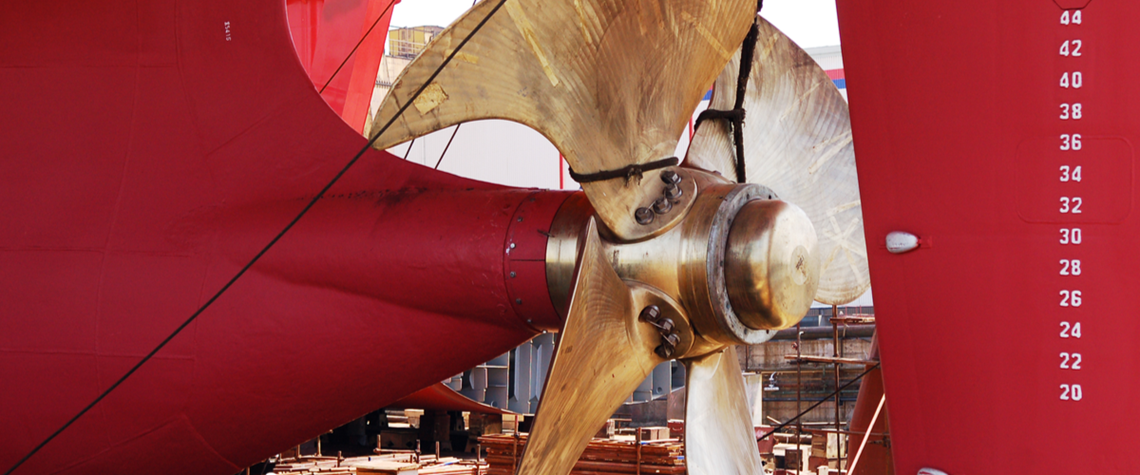
On the fringes of Cop26, away from the protests and pledges, the shipping industry held a landmark decarbonisation conference. Aimed at translating bold words into affirmative actions, the unprecedented gathering of shipowners and ministers set out the future of powering the industry which underpins global trade. In 2022 and beyond, we know that that future must be green, and so too the fuels we put in our ships. Whether ammonia, hydrogen or biofuel (there are many others), there is a real willingness to move our industry away from the carbon-intensive present. This change is none too soon. Our energy needs are sizeable and will only have risen since the boom in demand for trade following th

Also in this section
LNG buyer strategies in the age of volatility
11 February 2026
Panellists from three LNG buyers at LNG2026 in Doha outlined their evolving procurement strategies as they navigate heightened market volatility
Libya looks to maximise gas opportunity
11 February 2026
North African producer plans to boost output by early 2030, with Europe its number one priority as export destination
LNG shipping needs freedom to evolve
11 February 2026
Maritime leaders at LNG2026 warned of the dangers of over-regulation on competitiveness, sustainability and innovation
Nigeria in upstream charm offensive
10 February 2026
The country has opened bidding on 50 blocks in a new licensing round but will face competition for attention and will need to address concerns about security and legislation

Share PDF with colleagues

COPYRIGHT NOTICE: PDF sharing is permitted internally for Petroleum Economist Gold Members only. Usage of this PDF is restricted by <%= If(IsLoggedIn, User.CompanyName, "")%>’s agreement with Petroleum Economist – exceeding the terms of your licence by forwarding outside of the company or placing on any external network is considered a breach of copyright. Such instances are punishable by fines of up to US$1,500 per infringement
Send

Forward article Link

Send
Sign Up For Our Newsletter
Project Data
Maps
Podcasts
Social Links
Featured Video
Home
  • About us
  • Subscribe
  • Reaching your audience
  • PE Store
  • Terms and conditions
  • Contact us
  • Privacy statement
  • Cookies
  • Sitemap
All material subject to strictly enforced copyright laws © 2025 The Petroleum Economist Ltd
Cookie Settings
;

Search
