


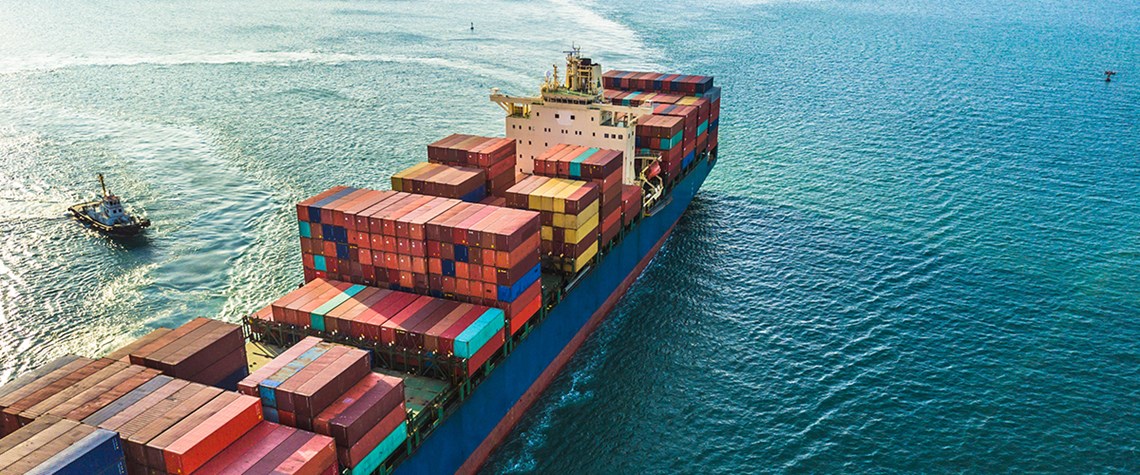
The tanker takeover wave
Ownership consolidation within the tanker sector is creating stronger counterparties for oil shippers
The tanker business, with its legacy of family ownership and outsized egos, used to be notoriously averse to consolidation. No more. M&A activity in the tanker space is surging, a trend with significant consequences for oil exporters, refiners and traders. The list of deals is long and getting longer. Last year, Capital Product Partners agreed to merge its tanker fleet with Diamond S Shipping, Navios Midstream was folded into Navios Acquisition, Euronav took over Gener8 Maritime, and BW Tankers announced plans to explore a merger with Hafnia Tankers. The year before, Scorpio Tankers bought Navig8 Product Tankers, DHT acquired the very large crude carrier (VLCC) fleet of BW Group, and Tee

Also in this section
24 March 2026
It is an unusual story of out with the new and in with the old, as America First Refining shows the US going back to trusted energy security developments
23 March 2026
A complex and sometimes contradictory web of factors that include unpredictable oil prices, the globalisation of LNG markets, the expansion of Middle Eastern sovereign capital and the growth of datacentre demand will shape the energy landscape beyond 2026
23 March 2026
The Strait of Hormuz crisis highlights how key waterways can become global chokepoints
20 March 2026
Attacks on key oil and LNG assets across the Gulf mean a prolonged supply disruption, with damage to Qatar’s export capacity undermining confidence in the global gas system


