


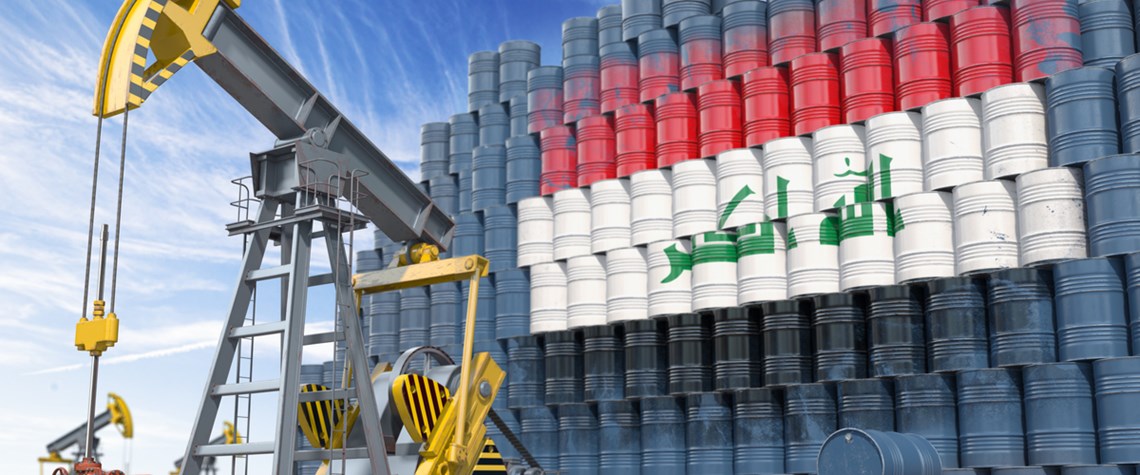
Iraq faces crude marketing challenges
The Mid-East Gulf producer may need to take lessons from its peers to achieve best value in a crowded market
Middle Eastern NOCs have long faced a twin challenge of ever more competitive markets in their traditional East of Suez backyard and the need to squeeze out more revenue from their production. From Oman’s decision in the mid-2000s to make its crude freely tradeable in the spot market to the move several years later by Abu Dhabi’s Adnoc to charge a premium for lifting destination restrictions on some of its cargoes, they have been constantly changing their business models to try to capture greater value from their crude sales. Covid-19 has served only to reinforce the importance of East of Suez, as refining margin weakness forces more closures in the West. So, is the time ripe for more tradit

Also in this section
29 April 2026
The UAE’s exit from the alliance marks a decisive step towards a world in which oil markets are shaped less by collective management and more by national strategy
29 April 2026
Trafigura’s $1b prepayment agreement confirms African resource holders’ renewed interest in oil-backed financing deals as they look to capitalise on high oil prices
29 April 2026
The UAE’s departure from the oil producers’ group was a surprise to many, but the move can be traced back to a single point five years ago
28 April 2026
Oil traders warning of $200/bl oil are wrong, and the market should be wary of proclamations that the impact of the oil shortage has only begun to be felt and a that a ‘harsh adjustment’ is coming—even for industrialised nations


