


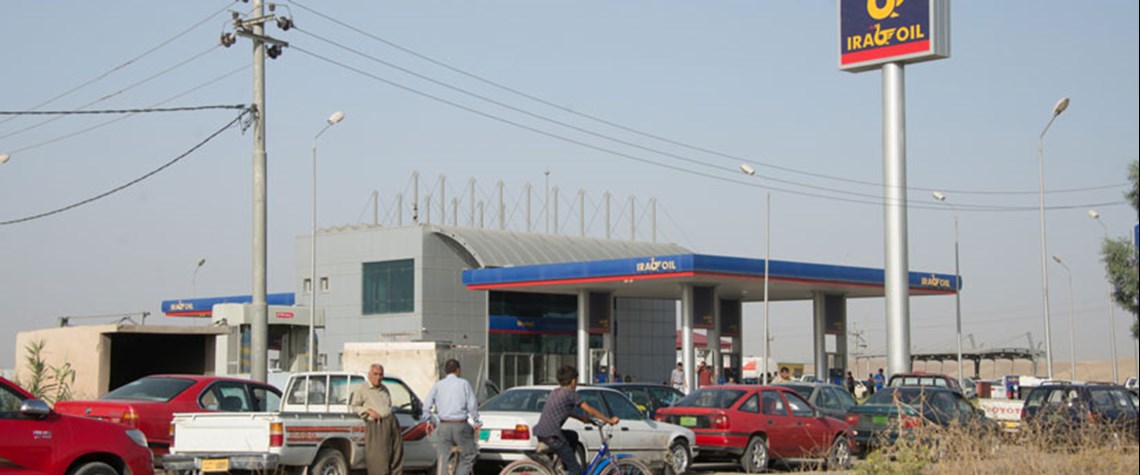
Vehicles queue for fuel in Iraq
Iraq tries again in the downstream
Oft-promised upgrades and greenfield facilities are again making putative progress
Iraq’s vast hydrocarbons wealth and its ability to satisfy the energy needs of its citizens has long been a politically toxic disconnect. The severe power cuts that once again brought long-suffering residents of oil-rich Basra onto the streets in late June have regularly captured the headlines. But a prolonged deficit in fuel provision is another flashpoint. Successive governments have failed to deliver on repeated promises to expand and upgrade the creaking refining sector. Baghdad has launched, relaunched and cancelled sufficient refining schemes—while setting and missing a string of capacity targets—over the past 15 years as to have squandered almost any credibility when pronouncing publ

Also in this section
24 March 2026
It is an unusual story of out with the new and in with the old, as America First Refining shows the US going back to trusted energy security developments
23 March 2026
A complex and sometimes contradictory web of factors that include unpredictable oil prices, the globalisation of LNG markets, the expansion of Middle Eastern sovereign capital and the growth of datacentre demand will shape the energy landscape beyond 2026
23 March 2026
The Strait of Hormuz crisis highlights how key waterways can become global chokepoints
20 March 2026
Attacks on key oil and LNG assets across the Gulf mean a prolonged supply disruption, with damage to Qatar’s export capacity undermining confidence in the global gas system


