


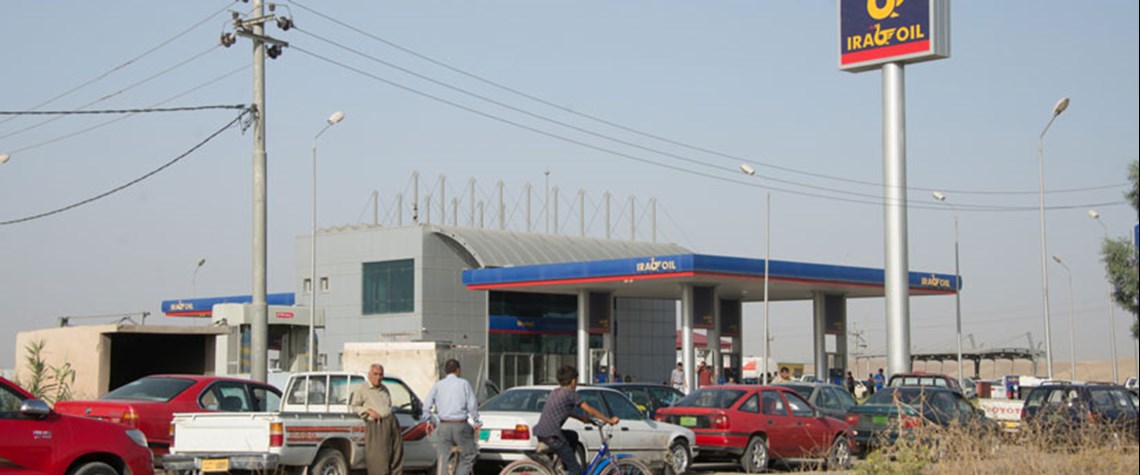
Vehicles queue for fuel in Iraq
Iraq tries again in the downstream
Oft-promised upgrades and greenfield facilities are again making putative progress
Iraq’s vast hydrocarbons wealth and its ability to satisfy the energy needs of its citizens has long been a politically toxic disconnect. The severe power cuts that once again brought long-suffering residents of oil-rich Basra onto the streets in late June have regularly captured the headlines. But a prolonged deficit in fuel provision is another flashpoint. Successive governments have failed to deliver on repeated promises to expand and upgrade the creaking refining sector. Baghdad has launched, relaunched and cancelled sufficient refining schemes—while setting and missing a string of capacity targets—over the past 15 years as to have squandered almost any credibility when pronouncing publ

Also in this section
14 April 2026
The GECF has warned it may revise its projections for demand this year downwards in light of conflict in the Middle East, although it maintains its forecasts for 2027 and onwards
13 April 2026
Petroleum Economist analysis highlights sharp shift from crude oversupply to market deficit, with Iraq and Kuwait badly affected and key producers Saudi Arabia and the UAE also seeing output sharply lower
13 April 2026
Turkmenistan is moving ahead with a modest expansion of the giant Galkynysh field to sustain gas deliveries abroad, but persistent delays to other key pipeline projects and geopolitical risks continue to constrain its export ambitions
13 April 2026
Expensive electricity has forced out swathes of energy-intensive industry and now threatens the country’s ability to attract future investment in datacentres and the digital economy


