


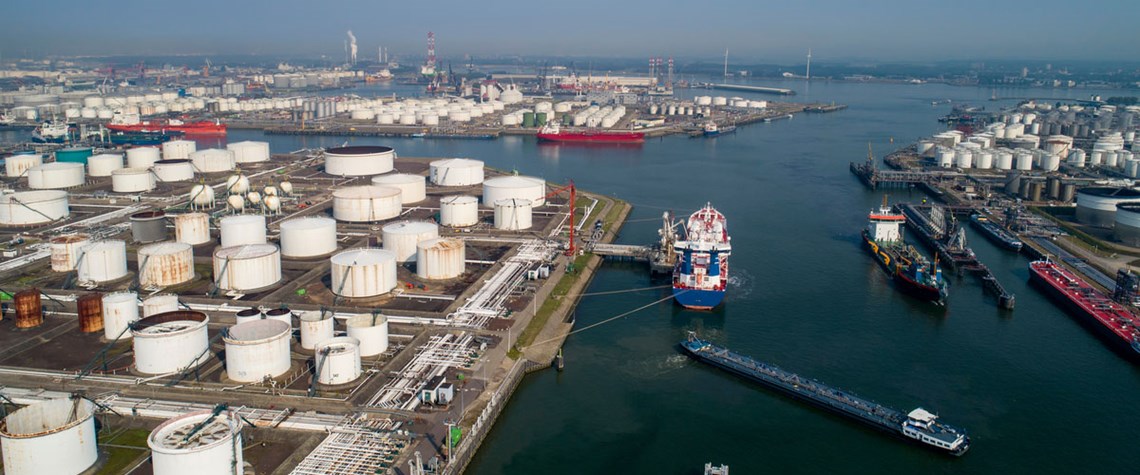
Rotterdam is a hub for European refining activity
EU refineries prepare for life without Russian crude
European refiners have strong incentives to adapt to the technological and logistical challenges of the continent turning away from Russia
European refineries are racing to secure alternative supplies and reconfigure their operations ahead of the start of the EU’s ban on seaborne Russian crude imports on 5 December. The refiners are incentivised by record-high margins for diesel and other products, as well as the looming ban on imports of Russian refined products from 5 February. Nevertheless, considerable logistical and technological challenges remain. The G7 countries announced an unspecified price cap on Russian oil shipments in early September as a kind of addendum to the decision to cut out Russian crude imports. However, traders and refiners alike report confusion in the markets as to the precise parameters of the restric

Also in this section
28 April 2026
Oil traders warning of $200/bl oil are wrong, and the market should be wary of proclamations that the impact of the oil shortage has only begun to be felt and a that a ‘harsh adjustment’ is coming—even for industrialised nations
28 April 2026
Restoring supply from Saudi Arabia, the UAE, Kuwait, Qatar, Bahrain and Iraq involves complexities far beyond simply adjusting operational controls
28 April 2026
Datacentres will guzzle power at a ferocious rate, but the impact on wider energy markets will be far more complex than previously thought
28 April 2026
The key energy player faces balancing regional routes, political complexities, and creating a clear strategic vision for energy security


