


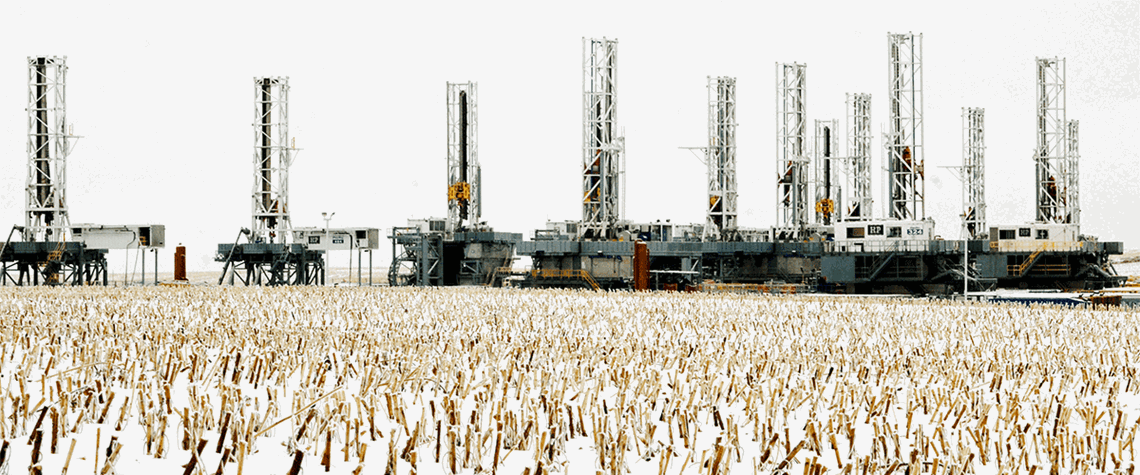
Bakken boosts its gas infrastructure
Oil is still a serious business in the Bakken shale, but when it comes to midstream, the money is on gas
Driven mostly by US production growth concentrated around the oil-generating geology of North Dakota, the Williston basin’s midstream footprint has expanded according to the region’s unique and evolving needs. Gas-to-oil ratios have flipped in the Williston basin over the past six years, increasing more than 90pc since 2016 from 1.51mn ft³/d (42,800m³/d) to 2.8mn ft³/d per bl of oil produced. Drilling activity in the Bakken shale is nearly four times higher than it was two years ago. As in the Permian basin, oil production in the Williston has a high rate of associated gas. But the Bakken’s residual gas is rich in NGLs, and that requires infrastructure generally more akin to North Texas’ Bar

Also in this section
2 April 2026
Alongside a rapid continued build-out of renewables, China’s latest five-year plan stresses the value of domestic hydrocarbon production for energy security and calls for increased Russian gas imports
2 April 2026
The government is taking important steps to revive domestic production, lift investment and benefit from the geopolitical crisis even if more needs to be done in the longer term
1 April 2026
Golden Pass’s startup offers QatarEnergy a timely boost but may also force a difficult choice between honouring disrupted contracts and capitalising on soaring spot LNG prices
1 April 2026
It is not a case of if or when, but the length and magnitude of economic damage from elevated oil prices


