


Newsletters | Request Trial | Log in | Advertise | Digital Issue   |   Search
  • Upstream
  • Midstream & Downstream
  • Gas & LNG
  • Trading & Markets
  • Corporate & Finance
  • Geopolitics
  • Podcasts
Search
Related Articles
Middle East chaos creates new oil and gas trends
A complex and sometimes contradictory web of factors that include unpredictable oil prices, the globalisation of LNG markets, the expansion of Middle Eastern sovereign capital and the growth of datacentre demand will shape the energy landscape beyond 2026
The key arteries of the energy world
The Strait of Hormuz crisis highlights how key waterways can become global chokepoints
Hormuz crisis delivers tailwinds for US LNG
Disruptions to Qatari LNG exports have highlighted the risks of concentrated supply, potentially strengthening the long-term position of US exporters despite limited near-term flexibility
Through the oil looking glass
The extent of the US-Israel war with Iran means there will be no going back to the previous market equilibrium no matter how the conflict ends
Do not fear runaway Henry Hub prices
Rising LNG exports and AI-driven power demand have raised concerns that US gas prices could climb sharply, but analysts say abundant shale supply and continued productivity gains should keep Henry Hub within a range that preserves the competitiveness of US LNG
Will policymakers panic before the oil market?
Risks of shortages in oil products may cause world leaders to panic and make mistakes instead of letting the market do what it does best
India taking pole position on oil demand growth
The country’s rapidly expanding economy is boosting its consumption of oil as demand for the fuel slows elsewhere in the world
Letter from London: The oil market should panic tomorrow
Emergency oil stocks provide a last line of defence to oil market shocks, so the IEA’s unprecedented 400m bl release represents something of a double-edged sword
Trump’s bid to reshape the global energy order
From Venezuela to Hormuz, the US—backed by the most powerful military force ever assembled—is redrawing not only oil and gas flows but also the global balance of energy power
The diesel crisis
By shutting the Strait of Hormuz, Iran has cut exports of distillate-rich Middle Eastern crude, jet fuel and diesel, and is holding the energy market hostage
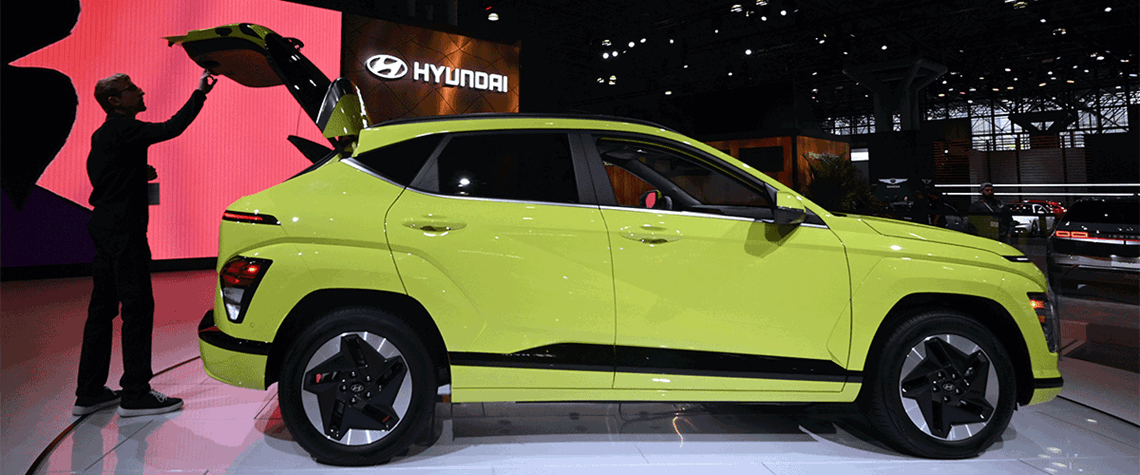
South Korea’s Hyundai Kona electric vehicle on display at the 2023 New York International Auto Show
Opinion
US Markets
Roger Bezdek
Washington, DC
20 April 2023
Follow @PetroleumEcon
Forward article link
Share PDF with colleagues

Letter from the US: Biden calls time on petroleum-fuelled vehicles

Rules mandating EV sales will transform the US automotive industry, but there are significant practical and judicial challenges

The Biden administration introduced rules in mid-April mandating that electric vehicles (EVs) comprise 60pc of new US vehicles sold by 2030 and 67pc by 2032. The rules will essentially regulate internal combustion engine vehicles (ICEVs) out of business by being so stringent that car companies will not be able to comply. However, sales will likely fall well short of the administration’s targets, with the EIA forecasting that EVs’ share of US vehicle stocks will increase from 1pc in 2021 to only 9pc in 2050. And the regulation could create a host of problems unless technological progress makes EVs categorically cheaper and more convenient to use than their gasoline equivalents, prompting lawy

Also in this section
Letter from the US: Oil refining gets a do-over
24 March 2026
It is an unusual story of out with the new and in with the old, as America First Refining shows the US going back to trusted energy security developments
Middle East chaos creates new oil and gas trends
23 March 2026
A complex and sometimes contradictory web of factors that include unpredictable oil prices, the globalisation of LNG markets, the expansion of Middle Eastern sovereign capital and the growth of datacentre demand will shape the energy landscape beyond 2026
The key arteries of the energy world
23 March 2026
The Strait of Hormuz crisis highlights how key waterways can become global chokepoints
A bigger and longer crisis
20 March 2026
Attacks on key oil and LNG assets across the Gulf mean a prolonged supply disruption, with damage to Qatar’s export capacity undermining confidence in the global gas system

Share PDF with colleagues

COPYRIGHT NOTICE: PDF sharing is permitted internally for Petroleum Economist Gold Members only. Usage of this PDF is restricted by <%= If(IsLoggedIn, User.CompanyName, "")%>’s agreement with Petroleum Economist – exceeding the terms of your licence by forwarding outside of the company or placing on any external network is considered a breach of copyright. Such instances are punishable by fines of up to US$1,500 per infringement
Send

Forward article Link

Send
Sign Up For Our Newsletter
Project Data
Maps
Podcasts
Social Links
Featured Video
Home
  • About us
  • Subscribe
  • Reaching your audience
  • PE Store
  • Terms and conditions
  • Contact us
  • Privacy statement
  • Cookies
  • Sitemap
All material subject to strictly enforced copyright laws © 2025 The Petroleum Economist Ltd
Cookie Settings
;

Search
